How Can On-Site Fuel Delivery Reduce Downtime at Construction Job Sites?
Construction work does not always stop because of a major equipment problem. Sometimes, it is something as simple as running out of fuel at the wrong time. When an excavator, loader, generator, truck, or another machine needs fuel, a worker may have to leave the jobsite to find it.
As a result, the equipment sits idle, the crew waits, and a task that should take minutes can turn into a few-hour-long interruption. Nevertheless, on-site fuel delivery gives construction companies another way to handle this everyday problem.
Instead of sending workers or vehicles away from the project, fuel can be brought directly to the site. Plus, with a little planning around fuel consumption and delivery schedules, contractors can efficiently keep equipment ready and avoid unnecessary fueling trips.
How On-Site Fuel Delivery Keeps Equipment Running?
With on-site fueling, fuel can be delivered to an approved tank or another suitable location at the jobsite. Thus, Ricochet Fuel Distributors – a well-known fuel supplier – provides bulk fuel delivery in different quantities and offers products such as high-quality on-road diesel, dyed diesel, gasoline, DEF, kerosene, and propane.
The delivery schedule can also be planned around the project’s actual requirements. A contractor working on a large site may need regular deliveries, while a smaller or temporary project may require fuel less often.
1. Reduce Construction Downtime With Jobsite Fuel Delivery
Jobsite fuel delivery brings fuel to the place where the work is already happening. This is particularly useful when several machines are operating at once.
Rather than waiting for equipment to return from a fuel station, contractors can seamlessly arrange deliveries around the site’s working hours and expected fuel consumption.
The result – a simpler fueling routine and fewer avoidable interruptions for the crew.
2. Keep Heavy Equipment Ready With Construction Equipment Fueling
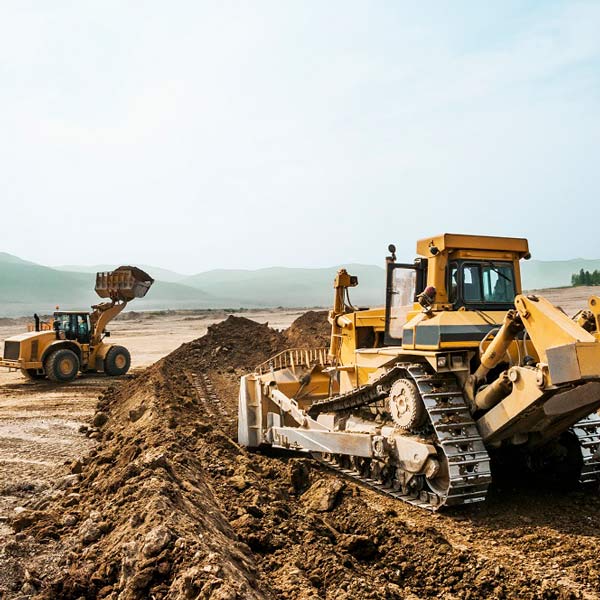
Construction equipment fueling can cover machines such as excavators, bulldozers, loaders, generators, and other fuel-powered equipment.
Ricochet Fuel Distributors can deliver premium-grade dyed diesel directly to a site and offer fueling at an on-site tank, at a pump, or directly into equipment through overnight fueling services.
Furthermore, for projects where equipment needs to be ready early in the morning, after-hours fueling can also help reduce disruption to the workday.
The Benefits of Construction Site Fueling
The benefits of construction site fueling is not limited to avoiding a trip to the gas station. It can make the entire fuel process easier for the people managing the project.
1. Spend Less Time Away From the Jobsite
With on-site refueling, equipment can be fueled where it is located. Ricochet Fuel Distributor’s mobile fueling services are especially designed to bring fuel directly to equipment and vehicles at jobsites, yards, and business locations.
So, instead of assigning someone to make another fuel run, contractors can arrange for the fuel to come to them. That gives workers more time to stay focused on construction tasks rather than handling routine transportation.
2. Simplify Construction Fleet Fueling
Trucks, service vehicles, and heavy equipment can all create recurring fuel requirements. Construction fleet fueling gives contractors a way to bring those needs together at the project location.
A centralized setup can also make delivery planning more straightforward. Project managers can look at fuel consumption across the site and arrange deliveries based on what the equipment is actually using.
3. Support Different Equipment and Fueling Needs
Construction projects often use a mix of equipment, which means the fuel requirements may not be identical. Hence, depending on the operation, contractors may need diesel, gasoline, DEF, kerosene, or propane.
Meanwhile, having one commercial supplier handle multiple fuel requirements can make the planning side of the job a little easier.
When Mobile Fuel Delivery Makes Sense for Construction Projects?
Mobile fuel delivery can be particularly useful for temporary or remote construction projects. Some jobsites do not have the space or setup for a permanent fueling location, while others may move equipment frequently as different phases of the project are completed.
Therefore, many fuel partners in the USA offer mobile and on-site fueling options, including wet hosing, which allows fuel to be brought directly to equipment when an on-site tank is not practical.
Nevertheless, fuel delivery for construction should change as the project changes. A small site may only need occasional deliveries, but a larger project with several machines running long hours could need fuel much more frequently.
In addition, looking at actual equipment usage can help contractors decide when to schedule deliveries and avoid waiting until fuel levels become a problem.
How to Choose Fueling Services for Construction?
When comparing benefits as well as challenges of construction site fueling, contractors should consider more than just the price of the fuel, for instance:
- Fuel types available
- Delivery scheduling
- On-site tank options
- Service area
- Mobile fueling availability
- Equipment fueling requirements
- Emergency support
In short, the right service should fit into the way the jobsite already works instead of creating another process for the crew to manage.
Final Thoughts
Fuel shortages are not the only thing that can slow a construction project down. The repeated trips required to find fuel can also take workers and equipment away from where they are needed.
On-site fuel delivery puts fuel closer to the equipment, while construction site fueling can make the daily process easier to plan. Plus, when deliveries are arranged around actual consumption, contractors can spend less time reacting to low fuel levels and more time keeping the project on schedule.
Considering mobile fuel delivery for your construction jobsites? Contact Ricochet Fuel Distributors today to discuss your specific fuel requirements!
FAQs
1. How Does On-Site Fuel Delivery Reduce Construction Downtime?
It brings fuel directly to the jobsite, so workers and equipment do not have to make as many trips to off-site fueling locations.
2. What Equipment Can Receive Construction Fuel Delivery at a Jobsite?
Depending on the fuel type and delivery setup, construction fuel delivery can support equipment such as excavators, loaders, bulldozers, generators, trucks, and other fuel-powered machinery.
3. Is Mobile Fuel Delivery Available for Remote Construction Sites?
Mobile fuel delivery can be useful for remote or temporary jobsites where public fueling stations are inconvenient or installing permanent fueling equipment is not practical.
4. How Often Should a Construction Site Schedule Fuel Delivery?
There is no universal schedule. Delivery frequency depends on equipment usage, fuel consumption, tank capacity, project size, and operating hours.
5. What Should Contractors Look for in Jobsite Fuel Delivery?
Contractors should consider fuel availability, delivery flexibility, tank options, service coverage, scheduling, mobile fueling, and whether the supplier can adjust its service as project requirements change.
A hurricane or major storm can disrupt fuel deliveries, power, transportation, and even the normal day-to-day operations of a business. For companies…
A hospital cannot treat a generator fuel shortage like just another supply problem. During a power outage, backup generators may be supporting…