Fuel Compliance Checklist for Multi-State Operations
It is already quite difficult to manage a single fleet, but when your fleet operates in different states, the regulatory burden increases significantly. Each state has its own set of rules, so multi-state fuel compliance becomes a constantly changing target for logistics managers. Unsupervised behavior may cause heavy fines, audits, and operational delays, among other things, as a result of different tax rates and environmental standards.
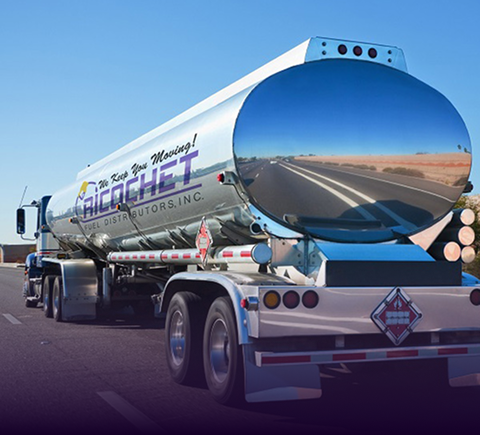
Ricochet Fuel realizes that being in the lead means more than just filling tanks. It means your financial survival. We created this commercial fuel compliance checklist as a tool to help you understand the complex and confusing regulations at both the federal and state levels that will be in effect in 2026.
The Core of Multi-State Fuel Compliance
One major issue in local logistics lies in the constant change of rules. While the federal government provides overall standards, each state has the right to demand even stricter fuel compliance requirements for multi-state operations.
DOT and EPA Fuel Regulations
First and foremost, commercial carriers must obtain approval from the federal agencies before they start dealing with the different conditions of the states.
- DOT Fuel Regulations: The Department of Transportation is responsible for the regulations that ensure the goods transported are safe. Some of the requirements include the proper use of placards to identify hazardous materials, drivers must have the necessary certification (CDL with HazMat endorsements), and vehicles have to go through safety inspections.
- EPA Fuel Regulations: The Environmental Protection Agency mainly focuses on improving the quality of air and avoiding spills. Recently, in 2026, the EPA introduced new requirements aimed at making the whole process of carbon accounting and the reporting of PFAS “forever chemicals” more transparent—with major deadlines extending to October 13, 2026—especially for large-scale fuel importers and suppliers.
Mastering Fuel Tax and Reporting Requirements
Fuel tax compliance causes a lot of stress to most companies. The #1 reason that a state audit is triggered is by not properly accounting for miles or gallons when crossing a state border. The International Fuel Tax Agreement (IFTA) is aimed at making this process easier; however, accurate record-keeping is still a must.
- Base Jurisdiction Principle: You send one quarterly report to your home state that then pays other member states where your miles are done.
- Dyed Diesel Policy: Running a business in Texas means you should know very well what the dyed diesel requirements(Texas) and common dyed diesel FAQs are, so that you don’t wrongly use tax-free fuel on the public roads.
The Multi-State Fuel Compliance Checklist
Maintain an operation-ready state, for audit at all times, by using this fuel compliance checklist as a basis:
1. Storage and Environmental Safety
- Fuel Storage Compliance: Are your oil storage tanks aboveground (ASTs) or underground (USTs) equipped with secondary containment and leak detection?
- SPCC Plans: Do you possess a Spill Prevention, Control, and Countermeasure plan for every facility that stores more than 1,320 gallons of fuel?
- DEF Integrity: Make sure DEF storage/Handling is properly managed to prevent crystallization and subsequent SCR system failure.
2. Quality and Contamination Monitoring
- Visual Checks: Ensure drivers are trained to detect low-quality fuel signs at the point of refueling.
- Water Testing: Employ paste or sensors for water in diesel testing, which, if present, can result in microbial growth and injector damage.
3. Tax and Documentation
- Fuel Card Security: Audit reports frequently to avoid overcharges with fuel cards and watch for common fuel card mistakes.
Conclusion
Going through the complexities of multi-state fuel compliance doesn’t necessarily mean you need to go it alone. We at Ricochet Fuel offer you not only fuel delivery but also the comfort of knowing everything is expertly managed. So, if you are looking for a compliant fuel card program or just bulk high-quality fuel delivery, we can make sure that not only are your fuels equally reliable, but also your documents.
Do not wait for an auditor to discover the holes in your plan. Get in touch with Ricochet Fuel right now and get your multi-state operations running smoothly, legally, and efficiently for your fleet!
FAQs
How to stay compliant with fuel regulations when entering a new state?
Before crossing a new border, verify what fuel regulations by state you will follow. This means you should check if there are any special environmental permits or weight-distance taxes that are not included in your regular IFTA filing.
What are the penalties for IFTA non-compliance?
Usually, if you file late or pay less than you should, you will be fined $50 or 10% of the net tax liability, whichever is more. If you keep ignoring the fuel reporting requirements by state, your IFTA license may be taken away.
Does my fuel card count as a valid tax receipt?
Generally, yes, but your card should show the date of purchase, the type of fuel, the name/address of the seller, the vehicle registration number, and the total gallons. Having a digital copy of your documents is a must in your fuel tax compliance solution.
Are aboveground tanks subject to the same rules in every state?
Although EPA federal guidelines set a standard, fuel storage compliance has to do with local fire marshal codes and state environmental agency (such as TCEQ in Texas) mandates that can vary significantly from one area to another.
Modern engines are engineered with extreme precision. High-pressure fuel systems, electronic injectors, emission controls, everything depends on…
In today’s world, a short power cut in a server room means a lot more than just dark rooms; data is lost, world trade is disrupted, and security is…