
Why Emergency Fueling Systems Are Critical for Hospitals
Emergency fueling systems aren’t some nice-to-have upgrade you budget for down the line. They’re the difference between a manageable crisis and a catastrophe. Here’s what most people don’t realize, though – almost every hospital has a backup generator sitting somewhere on the property.
But having the generator and actually being able to fuel it when you need it? Those are two very different problems. Plenty of facilities have discovered this the hard way. Emergency fuel system solutions solve that gap. They make sure your backup power isn’t just sitting there hoping someone remembers to keep fuel on hand.
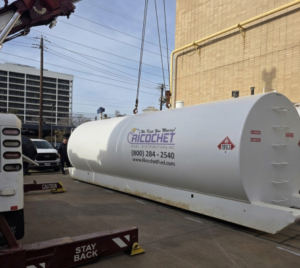
The Real Stakes of Hospital Fueling Systems
Federal law doesn’t give hospitals much choice here. NFPA 110 standards require backup power. CMS wants compliance. But that’s just paperwork stuff. The actual problem is what happens in those seconds after the grid fails.
You’ve got surgical teams mid-procedure, patients on ventilators, dialysis machines running, and these things can’t just stop. Your backup generators need to kick in immediately. They need to run reliably. One fuel hiccup during that window? That’s not just an operational problem. That’s a patient safety crisis.
Hospital backup power systems range wildly in size. A typical big facility might have thousands of gallons stored on-site. Some smaller hospitals store less and rely on faster resupply. But just having fuel sitting in a tank doesn’t mean much. You need emergency diesel supply systems that actually work and ensure continuous availability when you need it most.
How Emergency Fueling Systems Work
1. On-Site Fuel Storage
A real system includes on-site storage, real-time consumption monitoring, automatic low-level alerts, and solid backup protocols for extended outages. Hospital backup power systems may range wildly in size, with a typical big facility storing thousands of gallons on-site.
2. Real-Time Consumption Monitoring
Real-time monitoring is critical. A fuel level dropping isn’t urgent until it suddenly is – 3 AM during a snowstorm with a mass casualty situation happening. Professional monitoring catches that coming. The system needs to know when fuel is getting critical before your tank actually runs empty.
3. Automatic Low-Level Alerts
Emergency fuel systems work differently from typical fuel delivery. Zero tolerance for delays and no room for “we’ll get to it tomorrow” responses. Automatic low-level alerts help the system respond immediately and keep fuel flowing for however long the emergency lasts.
4. Extended Outage Protocols
What about outages that last days? That’s when bulk fuel delivery for hospitals becomes critical. Hurricane season and major storm events can push fuel consumption far past 72 hours. You need providers with continuous resupply protocols and emergency contracts with priority delivery during regional disasters.
5. Healthcare Fuel Service Coordination
Quality healthcare fuel services build systems around actual hospital operations, not generic delivery schedules. They understand your specific requirements. A good healthcare fuel provider coordinates around your maintenance windows, load testing, fuel quality checks, and filter schedules.
6. Fuel Quality Management
Some hospitals try managing backup fuel entirely in-house. They order bulk fuel delivery for hospitals and hope it stays usable. Diesel deteriorates, additives break down, and water infiltrates. Suddenly, your stored fuel’s unreliable when you need it working.
Compliance Requirements
- NFPA 110 standards require backup power.
- NFPA 25 requirements apply to hospital fire protection systems.
- CMS requirements must be met.
- Most hospitals must maintain 96 hours of backup power.
- Regulators audit backup power and fuel management.
- The Joint Commission reviews fuel management when it inspects.
- Medical emergency fuel supply involves load testing, fuel quality checks, and filter schedules.
- Records need to show delivery dates, volumes, fuel testing, and consumption.
- Professional on-site fuel delivery services monitor quality, rotate inventory, and keep compliance records straight.
- Professional setups include real redundancy – backup trucks, alternative routes, and 24/7 dispatch.
Get Your Backup Power Actually Backed Up
Emergency fueling systems need to work reliably. Patient safety depends on it. Find a fuel partner who knows hospital operations, not just fuel logistics. The right provider means fuel quality monitoring, regulatory compliance, Joint Commission documentation, and 24/7 emergency availability. Your backup power is only reliable if your fuel delivery is reliable.
Contact Ricochet Fuel to review your emergency fueling systems and make sure your hospital backup generator fuel actually works when you need it.
FAQs (Frequently Asked Questions)
1. How long does diesel fuel stay good?
Six to twelve months under decent storage conditions. Longer than that? You need fuel stabilizers and regular testing. Healthcare fuel services should be rotating stock and treating fuel continuously.
2. How fast does emergency fuel actually arrive?
Depends on location and contracts, but quality emergency fuel system solutions guarantee same-day delivery in their service areas. Truly urgent situations get emergency protocols.
3. What about outages that last days?
That’s when bulk fuel delivery for hospitals becomes critical. During hurricane season and major storm events, fuel consumption goes way past 72 hours. You need providers with continuous resupply protocols.
4. How do we stay compliant with auditors?
All your records need to show delivery dates, volumes, fuel testing, and consumption. Quality fuel solutions for hospitals handle the documentation automatically so auditors and surveyors see everything they need.
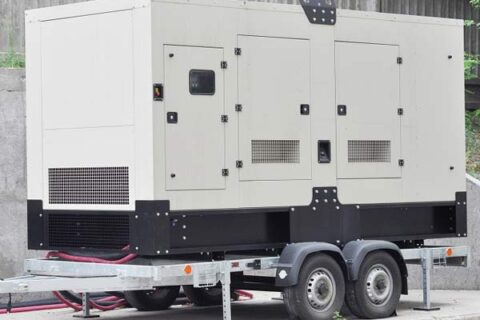
A hurricane or major storm can disrupt fuel deliveries, power, transportation, and even the normal day-to-day operations of a business. For companies…

Construction work does not always stop because of a major equipment problem. Sometimes, it is something as simple as running out of fuel at the wrong…