
The True ROI of Bulk Fuel Delivery (With Real-World Scenarios)
Fuel expenses are well-known as one of the most challenging operational expenses for industries that depend heavily on transportation, heavy machinery, high-powered generators, or simply large business fleets. Thus, regardless of whether it’s just logistics fleets, farms, construction companies, or even large-scale manufacturing facilities, the way fuel is purchased as well as managed can undoubtedly affect the overall profitability in the long run.
As a result, lots of businesses nowadays are exploring the ROI of bulk fuel delivery as a highly strategic alternative to regular fueling methods that not only ensure better fuel cost management but also optimal operational efficiency. That’s why, in this blog, we’ll thoroughly discuss the benefits of bulk fuel delivery along with real-world scenarios that changed the entire perspective of fueling for businesses.
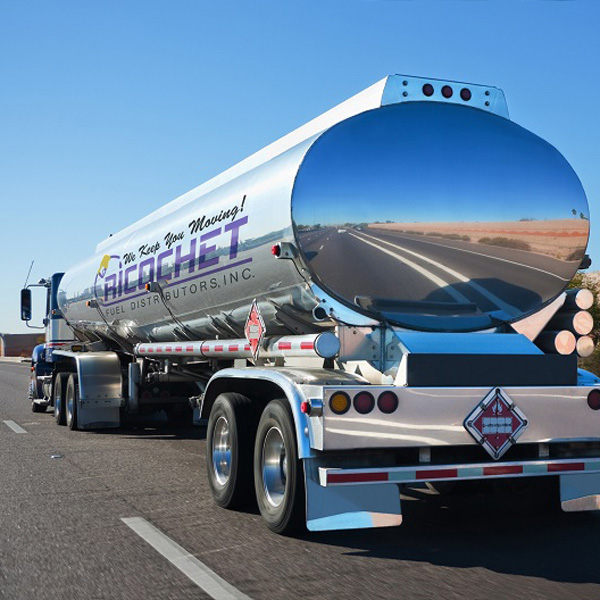
Bulk Fuel vs. Retail Fuel: A Strategic Comparison
Whenever businesses compare bulk fuel vs. retail fuel, they primarily focus on the cost per gallon, but to their surprise, considering operational factors is the ultimate key to a clearer cost difference.
Thus, although retail fueling might appear extremely convenient, it usually leads to numerous disadvantages, including:
- Valuable time wastage in travel, along with waiting at fuel pumps
- Higher retail fuel costs during crucial hours of need
- Interruptions in the entire workflow
Nevertheless, the advantages of bulk fuel delivery, on the other hand, go way beyond everyday convenience, helping businesses gain better strategic control over operational planning as well as fuel management.
Here are a few key benefits of bulk fuel delivery:
- Significantly lower fuel costs via volume purchasing
- Accurate fuel monitoring as well as reporting to ensure better fuel budgeting and financial forecasting
- Minimal downtime for both vehicles as well as the equipment
Real-World Scenario: Construction Company Efficiency
A construction contractor operating across various work locations depends heavily on retail fuel purchases for equipment, including loaders, excavators, and trucks. In addition, workers transported heavy equipment to the fueling stations on a daily basis, usually ending up losing valuable work hours in the process – a direct hit to operational efficiency.
However, after switching to Bulk Fuel Delivery, the company installed innovative on-site fuel storage along with scheduled regular on-site deliveries from a reliable supplier such as Ricochet Fuel Distributors. And here are the long-awaited results after switching to bulk fuel delivery:
- Equipment stayed on-site instead of traveling to random stations for fuel
- Work crews gained extra productive hours every week
- Fuel inventory became extremely easier to monitor
- The work location’s overall operational efficiency improved optimally
How to Calculate ROI on Bulk Fuel?
Understanding how to calculate ROI on bulk fuel truly helps businesses analyze whether transitioning to bulk delivery is the right decision in the long term. That’s why here are several key factors you may also consider for your calculations:
1. Fuel Price Comparison
Compare the overall retail fuel costs with bulk fuel delivery prices provided by trusted suppliers. Nevertheless, bulk fuel purchasing usually offers significantly lower per-gallon costs.
2. Labor and Productivity Savings
Calculate the entire time employees spend fueling vehicles at the retail fuel stations and then convert those hours into the pre-planned labor expenses.
3. Reduced Operational Downtime
Vehicles as well as heavy equipment remain available 24/7 for work purposes, ultimately leading to minimal downtime.
4. Improved Fuel Monitoring
Bulk fuel systems typically allow accurate tracking of fuel usage to help businesses minimize potential fuel theft or waste.
For instance, a company incorporating 40,000 gallons of fuel per year might save thousands of dollars efficiently just by securing far lower bulk fuel delivery prices in comparison to retail ones, long before addressing necessary productivity improvements.
Conclusion
The overall ROI of bulk fuel delivery becomes undoubtedly clear whenever businesses analyze both direct fuel savings as well as operational improvements as the key factors. Although lower fuel prices are well-known as a strong advantage, the real value truly lies in top-notch fuel tracking, minimal downtime, and optional operational efficiency.
That’s why companies that conduct a thorough bulk fuel cost analysis typically realize that transitioning from retail fueling to bulk delivery offers better long-term benefits over time. Moreover, by understanding bulk fuel supplier selection tips such as delivery reliability, quality assurance, industry experience, and transparent pricing, along with analyzing “When to switch to bulk fuel,” businesses can easily make better fueling strategies.
Are you ready to boost your operational efficiency without harming your well-planned budget? Then, stop looking any further and partner with Ricochet Fuel Distributors today to discuss your custom bulk fuel delivery plan!
FAQ’s
1. What is the ROI of bulk fuel delivery for businesses?
The ROI of bulk fuel delivery primarily includes lower labor time, optimal operational efficiency, fuel cost savings, and top-notch fuel management.
2. How do companies perform a bulk fuel cost analysis?
Businesses usually compare the overall retail fuel spending with bulk fuel delivery costs, along with downtime, labor costs, and operational savings.
3. When should a business switch to bulk fuel delivery?
Companies struggling with regular fueling needs or simply higher monthly fuel consumption can consider switching to bulk fuel.
4. Is bulk fuel delivery more cost-effective than retail fueling?
Yes, whenever comparing bulk fuel vs. retail fuel, bulk delivery typically offers lower costs along with better efficiency.
5. What are the important bulk fuel supplier selection tips?
Businesses may analyze pricing transparency, delivery flexibility, supplier reliability, fuel quality, and industry experience.
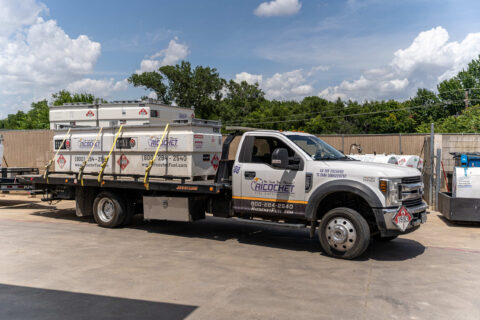
If you’re managing a commercial fleet, you know the problem. Fuel costs climb, you can’t track where it’s going, drivers fill up anywhere,…
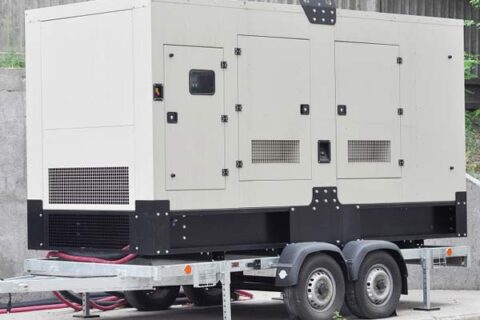
Emergency fueling systems aren’t some nice-to-have upgrade you budget for down the line. They’re the difference between a manageable crisis and a…