
When Bulk Fuel Delivery Stops Making Sense (And What to Do Instead)
For a lot of businesses, bulk fuel delivery starts out looking like the smartest move possible. Buy more fuel at once, keep it on-site, avoid constant fuel station trips, and save money. But things change, fleets grow, routes shift, and equipment usage slows down in certain seasons and spikes in others. Suddenly, the setup that once saved time starts creating extra work instead.
That’s usually when companies begin noticing the stuff nobody really talks about upfront, such as tank maintenance, fuel loss, compliance headaches, and storage issues. Those little expenses pile up quietly until the actual savings don’t feel all that impressive anymore.
And honestly, this is where many businesses start asking the uncomfortable question: when bulk fuel delivery stops making sense, what’s the better option? The answer depends on how your operation runs today, not how it ran three years ago.
When Bulk Fuel Delivery Stops Making Sense
The system works great when fuel usage stays predictable. Once operations become less stable, things get messy fast. A construction company with nonstop equipment usage? Sure, stored fuel still makes sense there. But if your fuel demand keeps fluctuating, you may start seeing problems like:
- Fuel sitting unused for too long
- Higher maintenance bills
- More employee time spent managing fuel
- Increased fuel waste
- Storage compliance issues
That’s when the conversation around bulk fuel vs retail fuel when to switch from bulk fuel becomes less theoretical and a lot more practical.
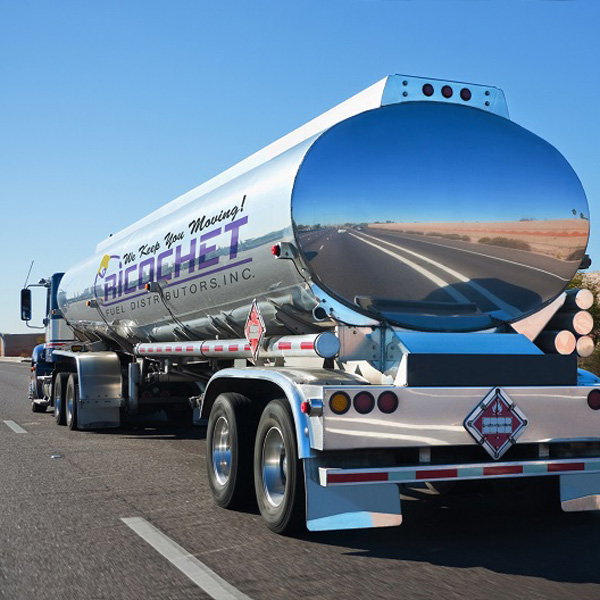
Fuel Storage Costs Keep Increasing
A lot of businesses focus only on the price per gallon. Still, the real expense usually hides somewhere else. The biggest issue is storage itself.
When companies compare fuel storage cost vs savings, they often realize the math is not nearly as favorable as expected. And then there’s theft. Not dramatic movie-style theft either; small, unnoticed losses. Over time, those losses become significant. These are the kinds of bulk fuel hidden costs that rarely show up in the initial budgeting conversation.
Fuel Storage Risks for Businesses
Leaks can create environmental problems. Contaminated fuel can damage equipment. Diesel sitting too long may start degrading. If tanks aren’t maintained properly, businesses can end up dealing with downtime they never planned for.
That’s why discussions around fuel storage risks for businesses have become much more common in recent years. Especially for companies operating on aging infrastructure.
Some businesses eventually decide they’d rather eliminate the storage issue altogether and move toward services like on-site fueling, where fuel is delivered directly to equipment or fleet vehicles without long-term storage concerns.
Fuel Card vs Bulk Fuel Delivery
For smaller fleets or businesses operating across multiple regions, fuel card vs bulk fuel delivery becomes an important cost discussion. Fuel cards offer flexibility. Drivers fuel where needed without companies maintaining large storage systems.
Meanwhile, businesses with heavy equipment operating from a single job site may still benefit from bulk fuel delivery. It’s not about one option being universally better. It’s about whether your current system still matches your daily operations.
Bulk Fuel Deliveries vs Retail Fueling Options
Retail fueling used to feel inefficient for commercial operations. Now, not always. Modern fuel management tools, mobile fueling programs, and fleet tracking systems have changed the equation. When businesses compare bulk fuel deliveries vs retail fueling options, they’re often evaluating things like:
- Labor hours
- Vehicle downtime
- Fuel tracking accuracy
- Upfront fuel expenses
- Maintenance responsibilities
And sometimes retail fueling or mobile fueling ends up creating fewer operational problems overall. Especially for businesses dealing with changing schedules or multiple service locations. Companies using bulk fuel delivery services often begin blending different fueling strategies instead of relying entirely on one system.
When Growth Changes the Entire Fuel Strategy
A company managing ten vehicles might handle on-site storage easily. Fifty vehicles across multiple counties? Totally different story. That’s often when businesses seriously revisit when bulk fuel delivery stops making sense for their operation.
Fuel deliveries become harder to schedule efficiently, and storage tanks need upgrading. Compliance costs increase, and cash flow gets tighter because large fuel purchases require more upfront spending. At that point, flexibility starts mattering more than bulk pricing.
Some businesses move toward mobile fleet fueling solutions because they no longer want to deal with fuel storage logistics internally. Others combine retail fueling with scheduled fuel delivery depending on location and equipment type.
So What’s the Smarter Move?
Usually, businesses do better when they stop treating fuel systems as permanent decisions. If storage costs are climbing or fuel usage has become inconsistent, it may be worth exploring:
- Mobile fueling
- Managed fuel programs
- Hybrid fueling systems
- Fuel cards for regional fleets
- Smaller storage setups instead of oversized tanks
Services like on-site tank solutions can still work well when properly matched to actual usage needs.
FAQs
1. Is it worth buying fuel in bulk?
It can be. Businesses with steady fuel consumption often benefit from buying larger quantities. But storage maintenance, fuel loss, and compliance costs should always be factored into the total expense.
2. Is it cheaper to buy gasoline in bulk?
Sometimes yes, sometimes no. Lower fuel pricing does not automatically mean lower overall operating costs once storage and maintenance are included.
3. How to get gasoline delivered to your house?
Some fuel providers in the U.S. offer residential delivery services for generators or approved storage containers. Availability depends on local regulations and service areas.
4. Can diesel still be used after sitting in the tank for 2 years?
Diesel can degrade over time, especially without stabilizers or proper tank maintenance. Water contamination and bacteria growth become bigger risks the longer fuel sits unused.
5. What are common fuel storage risks for businesses?
Leaks, theft, contamination, environmental penalties, and equipment damage are among the biggest concerns tied to long-term fuel storage.
A hurricane or major storm can disrupt fuel deliveries, power, transportation, and even the normal day-to-day operations of a business. For companies…

Construction work does not always stop because of a major equipment problem. Sometimes, it is something as simple as running out of fuel at the wrong…