
Fuel Management for Disaster Recovery Contractors
When disaster recovery crews arrive at a site, there’s already pressure from every direction. In situations like these, fuel becomes one of the most important resources on the ground. Without proper fuel management, recovery operations can slow down surprisingly fast.
Generators stop running, trucks sit idle, and heavy equipment can’t stay active long enough to complete critical work. And during emergencies, wasting time searching for fuel is the last thing contractors need.
Disaster Recovery Operations Depend on Reliable Fuel Access
A delayed fuel delivery can affect generators, utility vehicles, debris removal crews, and restoration timelines all at once. Most disaster recovery operations involve multiple teams working across different locations, often around the clock. Keeping equipment fueled manually becomes difficult pretty quickly.
That’s where a dependable fuel management system helps. Contractors need to track fuel usage while operating equipment because this method enables them to manage deliveries and maintain equipment performance during recovery efforts. It creates more control during situations that are already unpredictable enough.
For disaster recovery contractors handling emergency response work, reliable fuel access isn’t just convenient. It keeps operations moving.
Why Emergency Fuel Management Matters
Disaster zones don’t operate on a normal schedule. Crews need to work overnight because they must respond to severe storms and major power outages for multiple days. The search for open gas stations that drivers complete off-site results in both time waste and specific delays that should be avoided. A better option is having fuel delivered directly where crews are operating.
That’s the role of emergency fuel management. Through mobile fueling and scheduled fuel deliveries, contractors enable their trucks, generators, and heavy machinery to operate without any work interruptions.
On-site fueling services become a common choice for contractors because they make daily operations easier during recovery work. The crews maintain their repair and cleanup work because they do not need to stop for fuel every three hours.
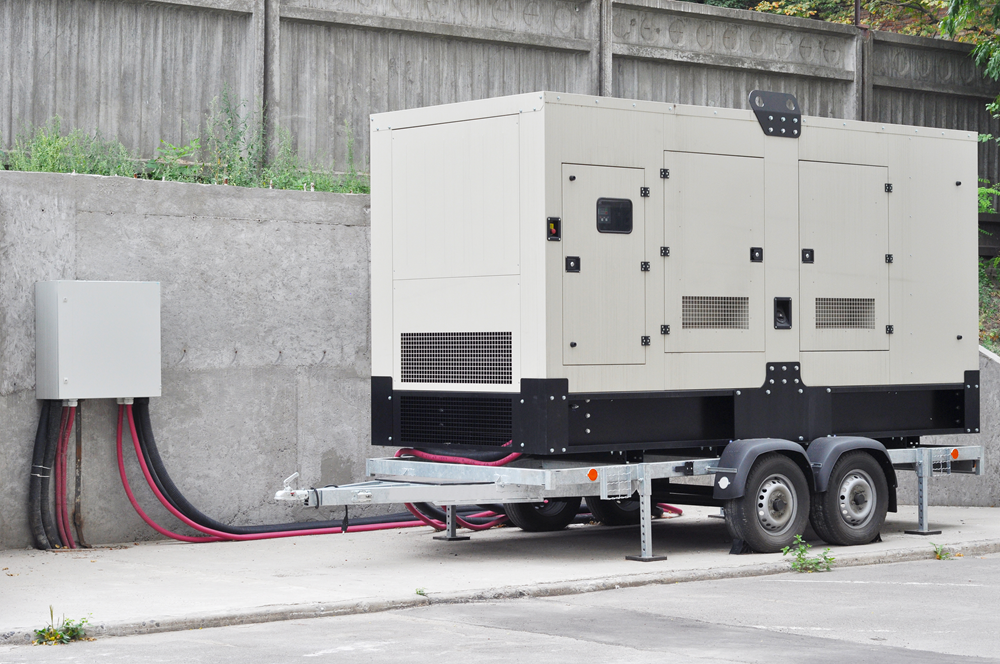
The benefits are pretty clear:
- Less downtime for equipment
- Faster response times
- Better fuel tracking
- Reduced labor hours spent refueling
- More efficient disaster recovery operations
Disaster Recovery Fuel Solutions Need Flexibility
Every disaster recovery site is different. The weather conditions and equipment operation and extent of destruction in the affected area create unpredictable fuel demand patterns. Disaster recovery fuel solutions need to keep their operations flexible because of this requirement.
Disaster recovery contractors need immediate access to additional generator fuel and bulk diesel and temporary fuel storage solutions because of project requirements. Fuel providers must deliver their services without interrupting current business activities.
Disaster response fuel supply companies provide support for contractors who need fuel during their most stressful times. Many contractors combine bulk fuel delivery services with scheduled fueling plans to maintain steady operations throughout recovery projects.
How a Fleet Fuel Management System Helps Contractors
A fleet fuel management system provides contractors with better insight into fuel consumption across their vehicle, generator, and heavy equipment operations. The teams can now track fuel usage through actual consumption data, which provides real-time information instead of using estimation methods and manual tracking procedures. The process results in waste reduction, which leads to better operational scheduling for business activities.
- The system enables contractors to track their fuel inventory with increased precision.
- It enables contractors to plan their delivery operations in an optimal manner.
- It helps organizations to minimize their operational expenses while achieving higher efficiency.
- It enhances equipment availability for usage.
- It enables businesses to maintain better control over their operational expenses.
Fuel Tank Management During Emergency Response
Temporary fuel tanks are commonly used on-site to support generators and heavy equipment working continuously during cleanup operations. But poor fuel tank management can create problems contractors really don’t want during an emergency. Fuel contamination, leaks, and inaccurate inventory tracking can all lead to downtime or equipment damage.
Simple maintenance goes a long way here. Regular fuel monitoring requires fuel level checks and tank inspections, while backup fuel supplies need protection against delivery delays. Professional fuel providers often help contractors manage fuel storage safely while maintaining compliance with safety and environmental requirements during emergency operations.
Reliable Fuel Management Keeps Recovery Work Moving
Disaster recovery work already comes with enough challenges. Fuel shortages should not add to them.
The strong fuel Management solution enables contractors to maintain operational efficiency by ensuring their fleets, generators, and recovery teams remain active during emergency situations. The correct fuel provider enables teams to handle their emergency fuel management and fuel tank management and complete disaster recovery fuel solutions with greater efficiency.
For information about reliable emergency fueling services and round-the-clock disaster response fuel supply, visit Ricochet Fuel Distributors Emergency Fuel Services today.
FAQs
1. What is fuel management?
Fuel management involves the complete process of overseeing fuel resources through their entire lifecycle, from acquisition to usage for various vehicles, generators, and equipment. The system supports contractors in executing disaster recovery operations while minimizing equipment downtime and decreasing their fuel consumption.
2. What are the 4 types of fuel systems?
The four standard fuel systems include gravity feed systems, mechanical pump systems, electronic fuel injection systems, and common rail fuel systems. The selection of systems depends on the specific requirements of both the equipment and engine types.
3. How much does a fuel management system cost?
The cost varies according to four factors, which include fleet size, storage capacity, monitoring features, and operational requirements. The cost for small systems starts at several thousand dollars, while large operations require advanced fleet fuel system solutions that exceed this amount.
4. How does a fuel management system work?
The system tracks fuel usage, monitors inventory levels, and manages fuel distribution across fleets and equipment. Many systems use sensors and automated software to provide real-time fuel data during disaster recovery operations.
A hurricane or major storm can disrupt fuel deliveries, power, transportation, and even the normal day-to-day operations of a business. For companies…
Construction work does not always stop because of a major equipment problem. Sometimes, it is something as simple as running out of fuel at the wrong…