How Can Businesses Secure Emergency Fuel Before a Hurricane or Major Storm?
A hurricane or major storm can disrupt fuel deliveries, power, transportation, and even the normal day-to-day operations of a business. For companies that depend on generators, vehicles, or fuel-powered equipment, waiting until the storm is almost there can make fuel planning much harder than it needs to be.
And that’s exactly where emergency fuel delivery gives businesses a practical way to prepare before those disruptions happen. Plus, rather than depending completely on last-minute deliveries, companies can plan their fuel storage, generator requirements, monitoring, and backup supply ahead of time.
Why Do Businesses Need Storm Fuel Preparedness?
Severe weather can create several problems at once. Roads may become difficult to access, power outages can affect facilities, and fuel demand may increase as businesses prepare for longer disruptions.
That’s why hurricane fuel preparedness should begin with a simple question like, “How much fuel does the business actually need to keep critical operations running?”
Furthermore, here’s what businesses should review:
- Generator fuel requirements
- Available tank capacity
- Expected operating time
- Delivery access
- Critical vehicles and equipment
- Backup fuel storage options
In short, having these details ready before a storm gives facility managers a better idea of what needs to happen if normal fuel access is interrupted.
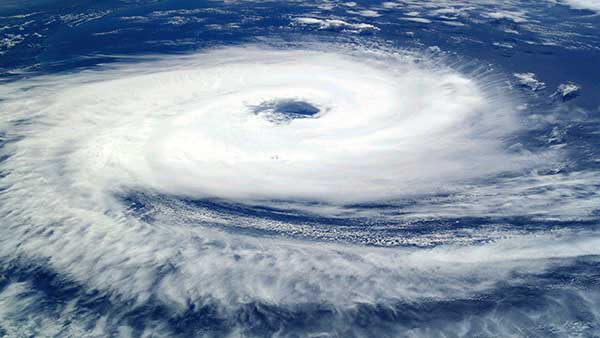
Build a Hurricane Fuel Planning Strategy Before the Storm
Hurricane fuel planning should not start only when a storm is already approaching. Businesses can review their regular fuel consumption, storage capacity, and generator requirements well before hurricane season.
1. Determine Your Emergency Generator Fuel Requirements
If backup generators support critical operations, emergency generator fuel should be part of the business continuity plan.
You may consider beginning by checking how much fuel each generator uses, how much its tank can hold, and how long the backup fuel supply is expected to last. These details can effectively help determine when another delivery should be arranged.
Reliable suppliers such as Ricochet Fuel Distributors provide generator fills and emergency fuel services for businesses that need fuel support during power outages and severe weather.
2. Check Your Backup Fuel Supply Before Hurricane Season
A backup fuel supply is much easier to manage when it is checked before an emergency rather than during one. Thus, you should always review current tank levels, inspect storage arrangements, and make sure delivery access is still practical.
Meanwhile, if the business may need additional storage, it is also worth discussing those options before demand increases. Fortunately, Ricochet Fuel Distributors provides affordable on-site tank and commercial fueling options that can efficiently support both your business and generator operations.
Arrange Hurricane Emergency Fuel Before Demand Peaks
Hurricane emergency fuel planning is more useful when the arrangements are made before a major storm arrives. Waiting until the last minute can make coordination difficult, especially when many businesses are preparing for the same event.
Furthermore, hurricane fuel delivery should be planned around the facility’s fuel requirements, storage capacity, access points, and operational priorities.
In addition, discussing what happens if the first delivery is not enough or the power outage continues longer than expected is extremely crucial to ensure a seamless process to follow.
That’s why Ricochet Fuel Distributor’s Emergency Umbrella Program provides priority consideration for fueling and support during qualifying natural disasters and emergency events, depending specifically on safety and site-access conditions. The program can also include advance staging of FuelCubes for generator operations.
Monitor Fuel Levels Before and During Severe Weather
Knowing how much fuel is left can be just as important as having a delivery plan. For businesses with large tanks, several generators, or multiple facilities, manually checking every tank may not always be practical.
Remote monitoring can give facility teams a better view of what is happening. Hence, Ricochet Fuel Distributors offers remote tank monitoring that can help track fuel inventory and usage and provide alerts when fuel reaches specified levels.
This can help businesses notice falling fuel levels earlier instead of discovering the problem when the supply is already getting low.
Prepare Emergency Fuel for Businesses with On-Site Storage
Emergency fuel for businesses can be easier to manage when an appropriate fuel supply is already available at the facility.
On-site fuel storage gives generators and other critical equipment access to fuel without making every refill dependent on a public fueling location. However, the right tank size and setup will depend on the facility, available space, equipment, and expected consumption.
Plus, an emergency fuel supply should reflect the equipment the business needs to keep operating. Thus, here’s a few requirements you must consider:
- Backup generators
- Emergency response vehicles
- Commercial fleets
- Critical production equipment
- Temporary emergency equipment
This simple review can effectively help turn a general storm plan into a practical fueling strategy.
Final Thoughts
Efficient emergency fuel preparedness should answer one straightforward question before severe weather arrives, “How will your business keep critical equipment fueled if normal fuel access is disrupted?”
By establishing emergency fuel delivery arrangements, reviewing generator requirements, monitoring tank levels, and preparing a backup fuel supply, businesses can effectively create a clearer response plan for hurricanes and major storms.
Although, no plan can guarantee that a delivery will be possible in every emergency. The reason – road conditions, safety restrictions, and fuel availability can all affect what can be done. However, preparing early ultimately gives your facility teams more information and more options to work with.
Are you still reviewing emergency fuel supply for businesses? Then, contact Ricochet Fuel Distributors to discuss your generator requirements, storage capacity, monitoring options, and delivery needs now!
FAQs
1. How Can Businesses Prepare for Emergency Fuel Delivery Before a Hurricane?
Businesses should consider reviewing fuel consumption, checking tank capacity, identifying critical equipment, confirming delivery access, and establishing communication with their fuel provider before a hurricane threatens the area.
2. How Much Emergency Generator Fuel Should a Business Keep?
The required amount primarily depends on your generator fuel consumption, tank capacity, expected runtime, operating conditions, and the facility’s needs.
3. When Should Businesses Begin Hurricane Fuel Planning?
Businesses should begin hurricane fuel planning before severe weather develops. Plus, starting early gives them time to review storage, monitoring, delivery arrangements, and generator requirements.
4. Can Emergency Fuel be Delivered During a Major Storm?
Emergency fuel delivery may be possible when conditions allow safe access and fueling activity. Real-time service can depend on road conditions, safety requirements, fuel availability, and site access.
5. Can Businesses Monitor Their Emergency Fuel Supply Remotely?
Yes, remote tank monitoring can give businesses better visibility into fuel inventory and usage and can provide alerts when fuel levels reach specified points.

Construction work does not always stop because of a major equipment problem. Sometimes, it is something as simple as running out of fuel at the wrong…
A hospital cannot treat a generator fuel shortage like just another supply problem. During a power outage, backup generators may be supporting…