
Bulk Fuel vs Fuel Cards vs On-Site Tanks: A Decision Matrix for Bulk Fuel vs Fuel Cards
Fuel procurement rarely starts as a strategic discussion. It begins with what is practical. A few vehicles are issued fuel cards. Drivers refuel at retail stations. Accounting reconciles transactions at the end of the month. The system works until the scale changes the equation.
As fleets expand and consumption stabilizes, fuel becomes more than a routine expense. It becomes a financial lever. At that stage, comparing bulk fuel vs fuel cards is not about convenience. It is about cost structure, predictability, and operational efficiency.
This decision matrix outlines how to evaluate each model with clarity and discipline.
Fuel Strategy as a Financial Control Mechanism
Fuel is one of the few major operating costs that can be structured in multiple ways. Businesses that revisit their corporate fuel procurement strategies regularly often uncover inefficiencies that were invisible during early growth stages.
Strong corporate fuel cost management strategies focus on more than tracking receipts. They address questions such as:
- Is pricing predictable month to month?
- Does our supply model support scaling?
- Are we exposed to unnecessary retail fluctuations?
- Is infrastructure investment justified by volume?
How to choose fuel supply method for companies requires aligning the procurement structure with fleet behavior. Without that alignment, cost leakage becomes routine.
Bulk Fuel vs Fuel Cards vs On-Site Tanks
A proper fuel strategy comparison for businesses must separate perception from operational reality. Each option has defined advantages and limitations.
Fuel Cards
Fuel cards provide immediate access to retail fueling networks. Implementation is simple and requires no capital investment in storage infrastructure.
They are generally appropriate for:
- Smaller fleets
- Highly distributed operations
- Businesses without centralized facilities
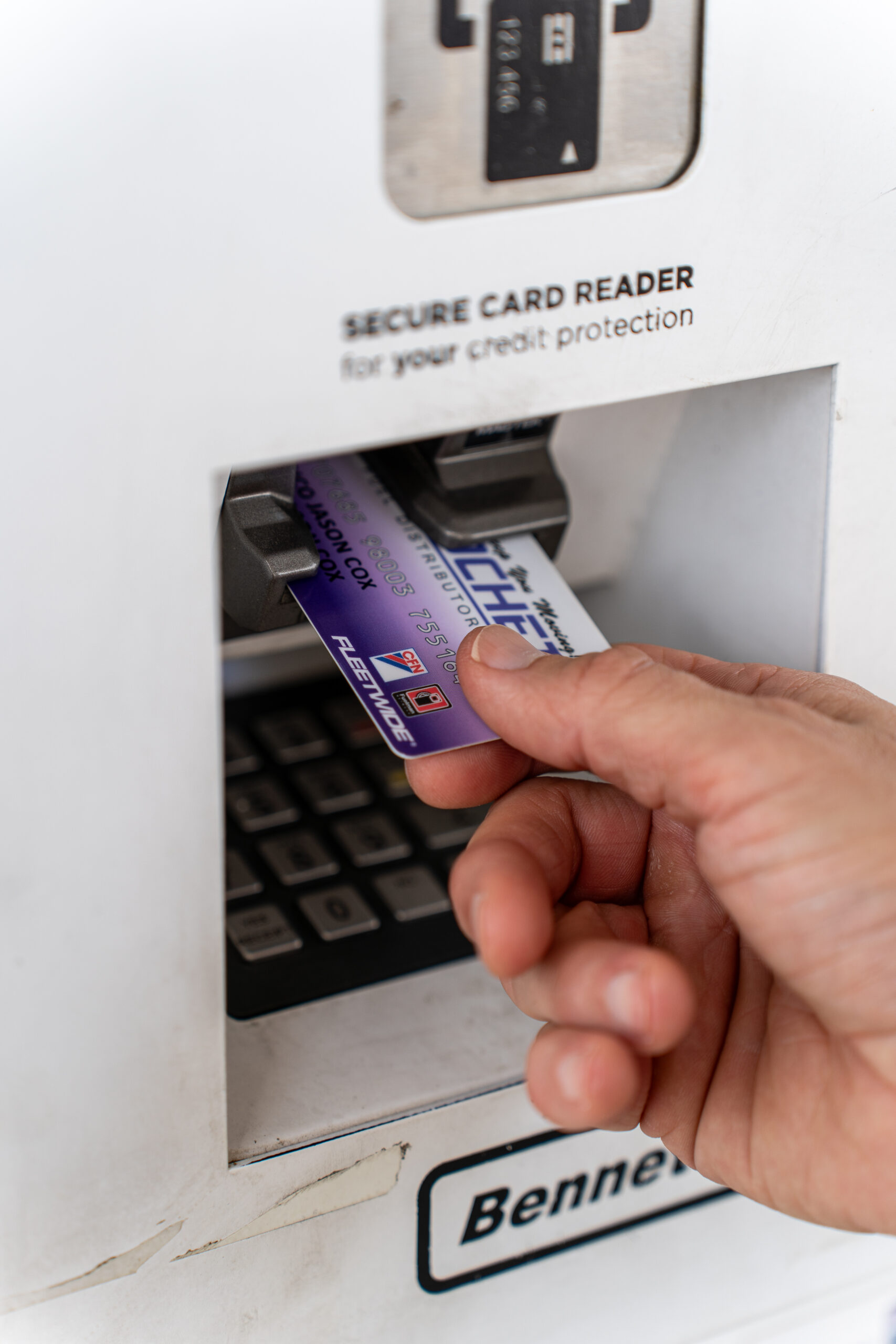
From a control standpoint, fuel cards allow transaction monitoring and spending limits. The assessment of fuel card costs requires analysis at different operational sizes because cost evaluation needs a better understanding. Different retail locations sell products at different prices, which change throughout each day. Businesses lose potential savings when they operate at higher volumes because they do not have access to their negotiated price agreements.
Fuel cards provide businesses with multiple fuel card management solutions that exist beyond their standard usage.
On-Site Tanks
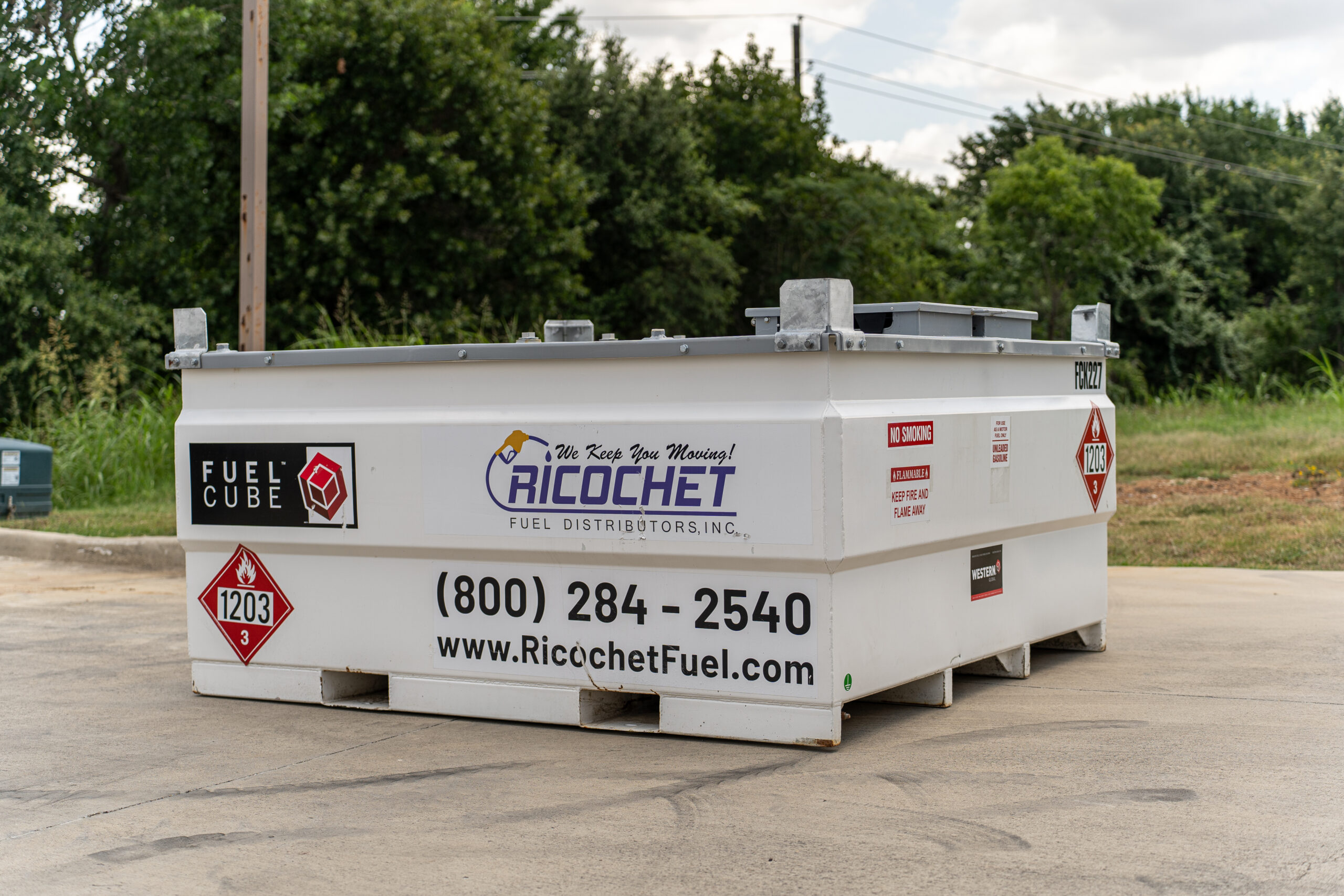
Operational control reaches new dimensions through the implementation of on-site storage solutions. The company facility serves as the refueling location for vehicles, which leads to decreased operational interruptions while eliminating the need for drivers to stop at retail stations.
- People frequently become confused between comparing bulk fuel vs on-site tanks systems. On-site tanks refer to storage capability. Bulk purchasing refers to how fuel is acquired. These two concepts need to be understood because they work together to create a unified understanding.
Businesses use bulk fuel vs on-site fuel tanks to assess their need for infrastructure development. On-site fuel systems require storage tanks, which need to be installed for bulk delivery, whereas bulk fuel delivery systems require fuel delivery according to prearranged delivery plans.
Data should guide infrastructure planning decisions while organizations should avoid making decisions based on their existing assumptions. The structured bulk fuel procurement guide determines whether storage investment will produce savings that match projected expenses.
Bulk Fuel Delivery
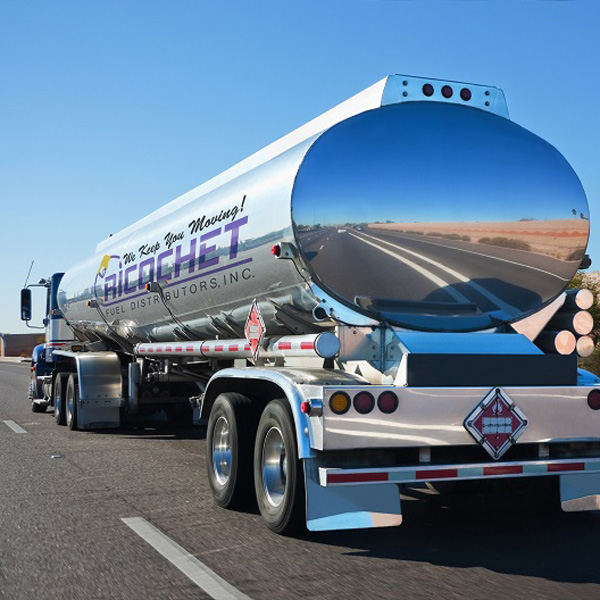
Bulk delivery involves acquiring fuel through contractual agreements that specify high-volume purchase requirements. The common recommendation for businesses is to understand when to switch to bulk fuel for business, following their current operational model.
- Bulk purchasing becomes appropriate when companies reach these operational benchmarks:
- Monthly fuel usage patterns show consistent results
- Retail price exposure is affecting margins
Advantages of bulk purchasing include:
- Volume-based pricing stability
- Improved forecasting accuracy
- Reduced exposure to retail volatility
- Simplified fueling logistics for centralized fleets
For companies with predictable usage patterns, bulk purchasing often strengthens long-term corporate fuel cost management strategies.
Applying a Business Fuel Strategy Decision Matrix
A business fuel strategy decision matrix converts abstract comparisons into measurable criteria.
Distributed, Low-Volume Fleets
- Limited monthly fuel consumption
- Vehicles operating across multiple regions
- No centralized fueling hub
Centralized, Mid-Sized Fleets
- Vehicles returning to a primary location
- Moderate to high, predictable consumption
- Willingness to install storage infrastructure
High-Volume or Equipment-Based Operations
- Significant and stable fuel demand
- Centralized dispatch or fixed job sites
- Fuel representing a major operating cost
Bulk delivery contracts frequently provide measurable savings and improved budgeting control.
Conducting a detailed fuel strategy comparison for businesses ensures procurement evolves with operational growth rather than remaining static.
Conclusion
The decision between bulk fuel vs fuel cards should be grounded in operational data, not convenience. Fuel cards offer flexibility and low upfront commitment. On-site tanks introduce control and efficiency. Bulk purchasing provides pricing leverage and forecasting stability for higher-volume fleets.
The appropriate model depends on fleet size, infrastructure readiness, geographic distribution, and growth projections. Reviewing business fuel management options regularly prevents inefficiencies from becoming embedded.
Selecting the best fuel supply method for companies requires disciplined evaluation of consumption trends and cost exposure. A structured business fuel strategy decision matrix ensures alignment between procurement structure and financial objectives.
Frequently Asked Questions
Is buying fuel in bulk worth it?
The practice of bulk buying proves beneficial for companies that maintain consistent ongoing fuel usage because they can secure better prices through their purchasing agreements and achieve better forecasting of their expenses.
How much cheaper is it to buy fuel in bulk?
The savings achieved through bulk purchasing create different results according to specific regions and purchased quantities. Fleet operations which use fuel at higher rates can achieve cost savings through bulk purchasing because it lowers their per-gallon expenses compared to the regular retail price.
What isconsidered bulk fuel?
Bulk fuel means large-volume fuel purchases which companies acquire through delivery to their facilities, storage tanks, or construction sites based on specific contract terms.
Is it cheaper to use a fuel card?
Fuel cards offer cost-effective solutions for smaller fleets that operate at lower fuel consumption levels. The practice of bulk buying fuel leads to more cost savings for businesses as their fuel needs grow.
A city runs on routine. Bins collected on time, roads cleared before traffic builds, and crews dispatched without delay. None of that happens if…
Fuel decisions might appear as one of your daily tasks; however, they play a crucial role in ensuring the overall profitability of businesses in the…