
On-Site Fuel Tank Layout Best Practices (Safety + Efficiency)
Fuel is considered the ultimate backbone of many industries, such as transportation, agriculture, construction, and, lastly, logistics. Nevertheless, whenever business fleets and heavy machinery depend on a constant, interruption-free fuel supply, affording expensive delays mainly caused by off-site fueling trips becomes the worst nightmare for businesses. And that’s where a thoughtfully planned on-site fuel tank system becomes the ultimate savior.
But to your surprise, designing a practical on-site fuel tank layout that specifically prioritizes unmatched accessibility, operational efficiency, and safety over everything is simply as crucial as installing a tank itself. Moreover, a well-planned layout not only helps businesses reduce potential risks but also streamlines the fueling process while ensuring strict compliance with necessary industry standards.
Let’s discuss the most practical ways for designing a safe yet efficient on-site fueling infrastructure that enables businesses to boost productivity without compromising safety.
Why Is a Strategic On-Site Fuel Tank Layout Important?
A well-planned on-site fuel tank layout plays an extremely crucial role in everyday fueling operations. Hence, without proper planning, businesses might struggle with various issues, including inefficient fueling processes, traffic congestion around the fuel tanks, and, most importantly, higher risks of safety mishaps.
Nonetheless, a well-organized system provides numerous advantages, such as:
- Faster, hassle-free fueling for both vehicles as well as heavy equipment
- Minimal downtime along with unmatched productivity
- Extremely safe work environments for the employees
- Meticulous inventory control via advanced fuel tank monitoring systems
- Simple yet efficient fuel tank maintenance
Furthermore, investing in top-notch on-site fuel storage tanks also enables companies to manage the overall fuel supply with better efficiency in the long run.
Choosing the Right Location for Your On-Site Fuel Tank
The first yet most important step in creating a highly effective on-site fuel tank layout is choosing the right location. In addition, fuel tanks must be placed where vehicles can have easier access without disturbing the other business operations.
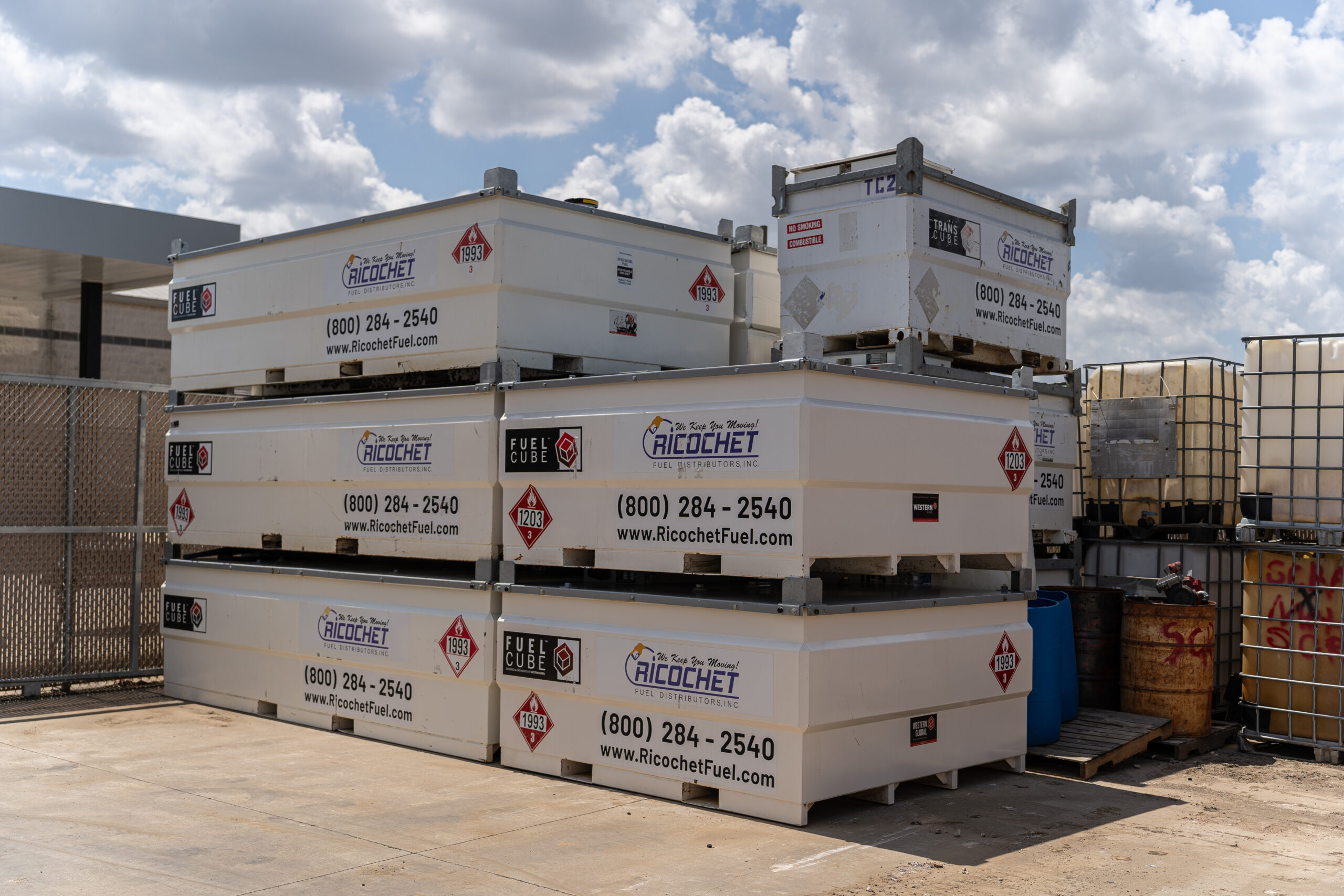
Meanwhile, here are several factors that you might consider while choosing the right location:
- Ensure safe distances from both buildings as well as offices
- Avoid areas with significantly higher pedestrian traffic
- Ensure a hassle-free access for fuel delivery trucks
- Offer optimal space for the transportation of large vehicles
Additionally, placing tanks in a designated fueling zone is also helpful in preventing congestion while boosting the overall operational efficiency of your on-site fueling infrastructure over time. Thus, in short, businesses looking for practical solutions usually benefit from affordable tank rental services, which ultimately enable them to scale their overall fuel storage capacity based on their specific operational demands.
Design Efficient Traffic Flow Around Fueling Areas
Traffic management is often considered a non-negotiable element in any well-planned on-site fuel tank layout. However, poor vehicle movement around fueling stations might result in potential safety risks, delays, and even operational hindrance.
Therefore, fueling areas should be well-designed with practical vehicle flow patterns to ensure smooth operations over time. Additionally, this also includes designated entry as well as exit routes that enable vehicles to refuel, approach, and leave seamlessly without blocking other equipment or vehicles.
Here are the key traffic design considerations you may also include:
- Wide access lanes for trucks as well as other heavy machinery
- Properly marked fueling zones
- Separate paths for both the service vehicles as well as the fueling machinery
- Optimal turning space for large vehicles
Plus, a well-structured layout also ensures that the on-site fuel tank becomes an everyday convenient fueling hub instead of a congestion choke point in the long run.
Conclusion
A strategic on-site fuel tank layout is often considered the key component of top-notch fuel management for businesses that rely heavily on large business fleets and heavy machinery. That’s why, by carefully planning safety measures, tank placement, and, most importantly, monitoring systems, businesses can effectively create a fueling environment that significantly boosts safety, not only operational efficiency.
Furthermore, investing in innovative fuel tank monitoring systems, premium-grade on-site fuel storage tanks, and trusted on-site tank fueling systems enables companies to maintain meticulous control over everything, whether it’s just downtime or fuel supply issues.
Are you also looking for flexible tank rentals to take the first step towards your long-term operational success? Contact Ricochet Fuel Distributors today to get reliable on-site fuel tank solutions without stressing over any last-minute hidden charges!
FAQ’s
1. What is the ideal on-site fuel tank layout for fleet operations?
An ideal layout primarily includes safe distances from buildings, clear traffic flow, easy vehicle access, and seamless integration with fuel monitoring systems.
2. How do fuel tank monitoring systems improve fuel efficiency?
They track fuel levels along with consumption in real-time to help businesses address any irregular usage quickly while managing their overall fuel supply.
3. What role does on-site tank fueling software play in fuel management?
It usually tracks vehicle usage, records fueling activity, and generates accurate reports to boost both operational control and fuel accountability over time.
4. Why is regular fuel tank maintenance important?
Routine maintenance prevents potential equipment damage, leaks, and contamination to ensure safer operation of the fueling system.
5. What safety features should on-site fuel storage tanks include?
Important features usually include proper ventilation, spill containment systems, leak detection, and safety signage.
6. How does on-site fueling infrastructure improve operational efficiency?
It effectively eliminates the overall need for off-site fueling trips, minimizes downtime, and ensures that your vehicles and machinery always have hassle-free access to fuel.
Whenever people attend an energetic concert or festival, they typically remember music, atmosphere, and, most importantly, the vibes. However, what…
Fuel procurement rarely starts as a strategic discussion. It begins with what is practical. A few vehicles are issued fuel cards. Drivers refuel at…