
Tax, Liability & Legal Risks of Improper Fuel Storage
For businesses that heavily depend on a consistent fuel supply, even small fuel mishandling can significantly lead to major consequences. Moreover, these improper fuel storage risks are often overlooked, as minor errors might gradually result in enormous legal, financial, and operational problems that undoubtedly take a toll on the overall stability of your business in the long run.
That’s why, whether you’re just running a logistics fleet, managing a construction site, or simply handling temporary power for events, understanding how fuel storage actually impacts liability, taxes, and legal compliance is as crucial as your next quarter’s business goals.
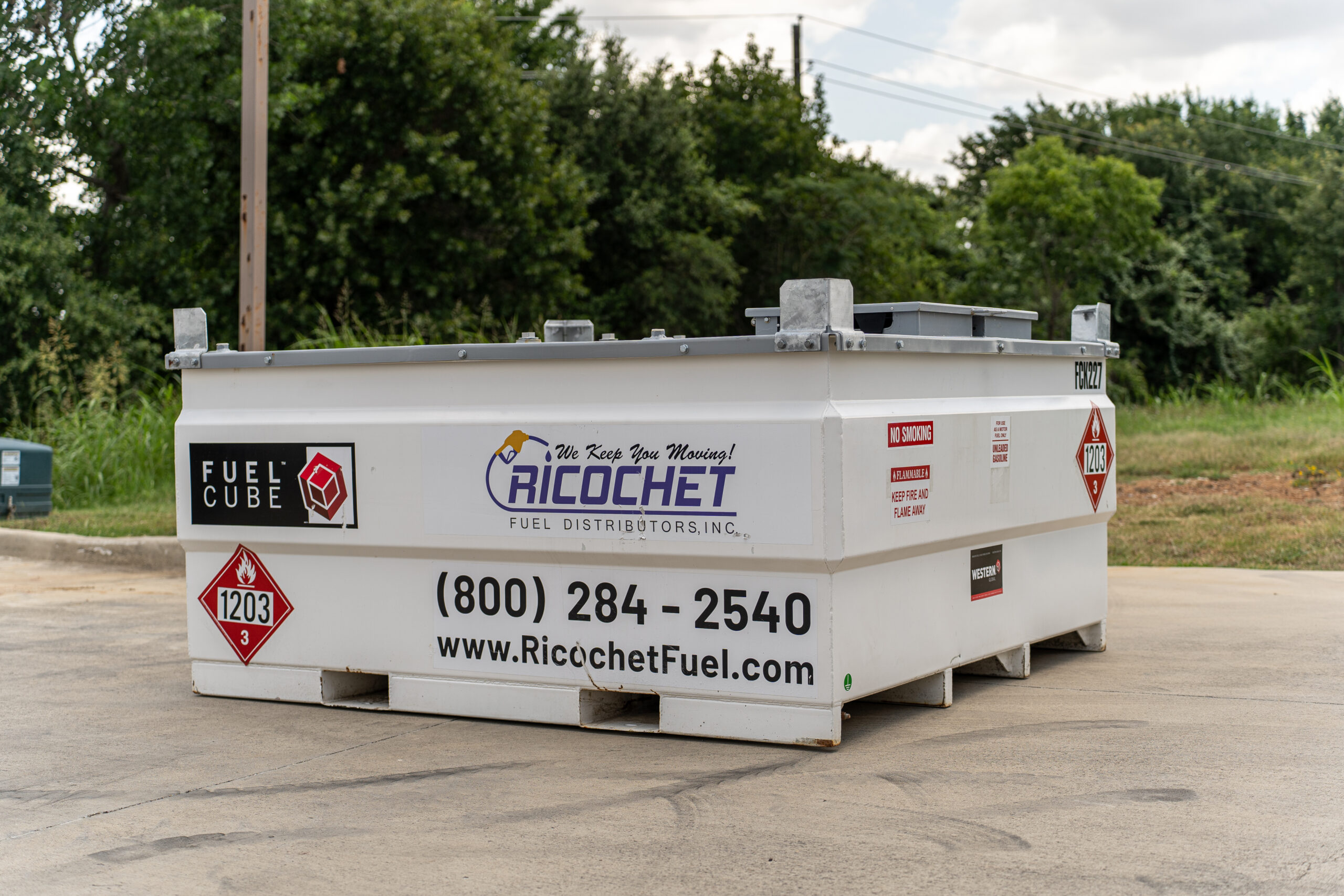
Tax Implications: Hidden Financial Risks You Can’t Ignore
Here are a few financial risks that can quickly turn into a dangerous disaster if not dealt with utmost care:
1. Mismanagement of Taxable vs. Non-Taxable Fuel
Fuel taxation in the U.S. is strictly regulated to avoid any potential mishaps. Moreover, various types of fuel, including high-quality on-road diesel and tax-exempt off-road diesel, are usually taxed differently, eventually leading to several improper fuel storage risks, such as:
- Mixing of both taxed as well as untaxed or tax-exempt fuel
- Mislabeling of the stored fuel
- Exploitation of tax-exempt fuel (like premium-grade dyed diesel)
In short, these mistakes can gradually result in overpayment or underpayment of taxes – a major reason for unnecessary scrutiny from tax authorities.
2. Increased Risk of Audits
Improper storage practices typically go hand-in-hand with poor fuel recordkeeping, making even a small inaccuracy in fuel usage data a major concern during tax audits. Furthermore, businesses might struggle with detailed IRS investigations, expensive penalties, and even backdated tax payments in severe cases.
3. Loss of Tax Credits and Deductions
Although lots of businesses qualify for fuel tax credits, improper storage and monitoring can easily make it an overwhelming task to prove eligibility. As a result, businesses might even lose out on their hard-earned legitimate tax savings, which eventually takes a toll on both their operational efficiency and fuel budgets in the long run.
Liability Risks: When Fuel Storage Becomes a Legal Burden
Here are some of the most common liability risks:
1. Environmental Liability and Cleanup Costs
Fuel is well-known as a hazardous substance, and improper storage undoubtedly maximizes the potential risk of spills, leaks, and contamination. Additionally, whenever this happens, businesses are primarily held responsible for environmental restoration efforts and regulatory fines, along with soil or groundwater cleanup.
Nevertheless, cleanup expenses alone might cripple small to mid-sized businesses that are just trying to secure a revenue of tens or hundreds of thousands of dollars.
2. Workplace Safety and Employee Protection
Improper fuel storage risks directly affect the entire workplace’s safety and may lead to heavy equipment damage, toxic exposure for workers, and, lastly, life-threatening fires or explosions.
That’s why employers are legally required to strictly ensure a safer working environment, as potential failure can result in OSHA violations and expensive personal injury lawsuits.
Legal Consequences: Compliance Isn’t Optional
Here are the legal consequences businesses might face:
1. Federal and State Regulations
Fuel storage is generally governed by several regulatory frameworks, such as environmental and safety regulations. Therefore, businesses are usually advised to strictly comply with fire safety codes, storage capacity limits, and maintenance protocols, along with spill prevention and necessary containment requirements.
Nonetheless, improper fuel storage risks can elevate in case these necessary regulations are overlooked or misunderstood by companies.
2. Fines, Penalties, and Business Disruptions
Non-compliance not only results in simple warnings but also leads to revoked licenses or permits, heavy financial penalties, and even temporary or permanent shutdowns in severe cases. Additionally, these disruptions can easily halt operations, leading to major revenue losses that cost way beyond the initial violations.
Conclusion
Improper fuel storage risks are not only technical oversights but also dangerous threats that might directly impact your business operations, finances, and even reputation in the long run. Furthermore, from tax penalties, lost deductions, and legal action to environmental liabilities, the consequences can be both expensive as well as time-consuming.
Nevertheless, the ultimate key to avoiding all these risks usually lies in proactive planning along with strict compliance. Therefore, by investing in top-notch storage systems, maintaining accurate fuel usage records, and partnering with trusted fuel suppliers like Ricochet Fuel Distributors, businesses can easily operate with much-needed peace of mind.
Don’t want to affect your business’s reputation with these improper fuel storage risks? Contact Ricochet Fuel Distributors today to get compliant, safe, and affordable on-site fuel solutions that truly keep your business operations running seamlessly over time!
FAQ’s
1. What are the most common improper fuel storage risks businesses face?
Lack of containment systems, fuel leaks, improper labeling, and non-compliance with necessary safety regulations are considered the most common risks.
2. How do improper fuel storage risks impact business taxes?
They might lead to loss of tax credits, audits, inaccurate fuel reporting, and expensive penalties from tax authorities.
3. Are businesses legally required to follow fuel storage regulations?
Yes, businesses must strictly comply with federal, state, and local laws to avoid potential legal consequences over time.
4. Can improper fuel storage lead to lawsuits?
Yes, workplace injuries, environmental damage, or simply third-party harm might lead to expensive legal claims.
5. What is the safest way to manage fuel storage for businesses?
Maintaining proper documentation, using compliant on-site fuel tanks, and conducting frequent inspections are well-known as the best practices.