
Why Generator Refueling Is Critical During Hurricane Season
A generator is only as good as the fuel sitting in its tank. That’s the part people forget until the power’s out and the tank’s close to empty. Generator refueling sounds obvious right up until a storm hits and every business in the region needs it at once. Hospitals need it running.
Grocery stores need it so stock doesn’t spoil. Construction sites, data centers, apartment complexes, all of them lean on backup power the second the grid goes down, and none of it lasts without fuel behind it. Hurricane fuel preparation isn’t optional at that point, it’s what decides whether a business stays open or shuts its doors until the lights come back.
Here’s why refueling matters so much once a storm rolls in, and how generator refueling services keep critical equipment running when it counts most.
Why Generator Refueling Becomes Urgent in a Hurricane
Once a storm knocks out the grid, generators go from backup to essential almost instantly. A generator that ran a few hours a week suddenly runs around the clock, and fuel that would have lasted a month disappears in days.
The Math Changes Fast Once the Power Goes Out
A generator sipping fuel during test runs burns through it a lot faster under real load, especially carrying a whole building through a multi-day outage. Businesses that never calculated real runtime consumption often find their fuel gone before the power returns.
Hurricane Fuel Preparation Starts Long Before the Storm
Waiting until a hurricane watch is issued is already too late for real hurricane fuel preparation. Demand spikes across the region at once, and suppliers get slammed trying to serve everyone simultaneously.
Topping Off Before the Season Even Starts
Get generators fueled, tested, and ready well before hurricane season peaks, not the week a storm shows up. Businesses that treat this as a seasonal task rarely scramble when a warning goes out.
Building a Relationship With a Supplier Ahead of Time
A supplier who already knows your account, tank setup, and typical usage moves faster than one fielding a first-time call mid-storm. That’s why locking in emergency fuel management ahead of the season matters so much.
Finding a Generator Refueling Service Near Me During an Emergency
When a storm’s closing in, searching for a generator refueling service near me shouldn’t be the first contact a business makes with a supplier. It should be a call to someone already familiar with the account, routing trucks toward known customers first.
Why Local Providers Respond Faster
Regional providers with trucks staged nearby usually reach a site faster than a national chain juggling calls from several states. Local knowledge of roads and flood-prone areas also makes a real difference in how fast fuel arrives.
What a Reliable Generator Refueling Service Should Offer
Look for a generator refueling service running 24/7 dispatch during active storms, priority routing for existing customers, and a track record of showing up when conditions are genuinely bad.
Diesel Generator Refueling and Disaster Fuel Supply
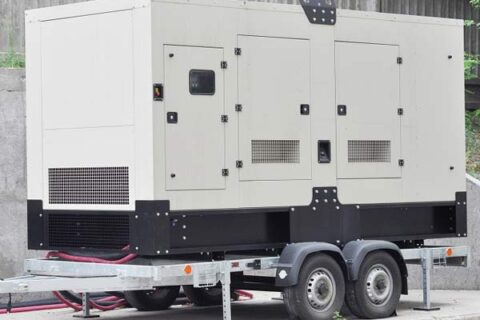
Most commercial and industrial backup generators run on diesel, making diesel generator refueling the backbone of disaster fuel supply for hospitals, data centers, and manufacturing sites. Losing diesel access mid-storm can mean losing power for equipment that cannot go offline.
Keeping Critical Systems Running Without Interruption
Cold storage, medical equipment, servers, and security systems all depend on generators that never stop running during an extended outage. Diesel generator refueling scheduled proactively keeps that chain from breaking at the worst moment. Pairing it with bulk fuel delivery keeps larger tanks topped off through the entire event.
Emergency Fuel Management as Part of a Hurricane Plan
Generator refueling doesn’t work in isolation. It’s one piece of a broader emergency fuel management plan that also covers fleet vehicles, on-site storage, and communication with suppliers when phone lines and cell towers are unreliable.
Building a Fuel Priority List
Not every generator or vehicle needs fuel at the same urgency. Ranking equipment by how critical it is to daily operations means that if supply runs tight mid-storm, the most important systems get fueled first. Remote tank monitoring makes that ranking easier by showing which tanks need attention in real time.
Key Takeaways
Generator refueling isn’t something to figure out once the power’s out. It’s part of hurricane fuel preparation that needs attention well before a storm forms, backed by a supplier who already knows your setup. Businesses that treat refueling as ongoing emergency fuel management are the ones still running when everyone else is waiting in line.
Don’t wait for the next storm to find out your plan isn’t ready. Contact Ricochet Fuel today to set up reliable generator refueling before hurricane season puts your backup power to the test.
Frequently Asked Questions
1. How often should a business schedule generator refueling during hurricane season?
Businesses relying on backup power should schedule regular top-offs throughout the season, not just before an active storm, since fuel levels drop between routine test runs.
2. What is the fastest way to find a generator refueling service near me during a storm?
Having an existing account with a regional supplier before the storm hits, since new requests during active weather often get placed behind contracted customers.
3. Does diesel generator refueling work the same way for all generator sizes?
The process is similar across sizes, though larger industrial units typically need more frequent, higher-volume delivery than smaller units.
4. How much fuel should a business keep on hand for disaster fuel supply?
A common baseline is five to seven days of runtime for critical generators, though hospitals and facilities running continuous equipment often keep more.
5. Can emergency fuel management include both generators and vehicles?
Yes, a complete plan usually covers generators, fleet vehicles, and any backup equipment that depends on fuel to keep running during an outage.
A hurricane or major storm can disrupt fuel deliveries, power, transportation, and even the normal day-to-day operations of a business. For companies…
Construction work does not always stop because of a major equipment problem. Sometimes, it is something as simple as running out of fuel at the wrong…