
Emergency Fuel Plan: 4 Steps for Business Preparedness
The grid goes down; your facility’s dark; employees standing around; revenue evaporating by the minute. This is where most businesses realize they’re completely unprepared, and that’s exactly when an emergency fuel plan would’ve been worth its weight in gold. You can’t build one of these when the power’s already out. By then you’re scrambling to find suppliers who can help. What you need is an emergency fuel plan already in place; locked down, tested, and ready.
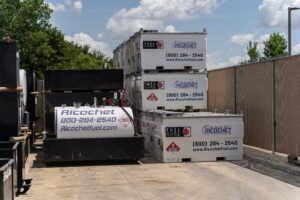
Four basic steps separate businesses that keep running from ones that shut down hard. Whether you’re running manufacturing, managing hotels, or handling critical infrastructure. Figure out what you need, get reliable supply lined up, write it down, and test it. A fuel contingency plan stops being theoretical and becomes your actual lifeline.
Step 1: Figure Out How Much Fuel You Actually Need
Most businesses wing this; they assume. Then the power dies, and they’ve got half the fuel they need.
How long does your facility need backup power? Manufacturing needs 72 hours. A store? Maybe 24. A 50-kilowatt diesel generator burns roughly 13 gallons per hour – 48 hours means 624 gallons minimum. Older equipment drinks more than newer models. Load matters too; a generator at half capacity uses significantly less than one maxed out. Seasonal changes affect consumption. Growth projections matter if you’re expanding.
Emergency fuel delivery services help you figure out real numbers instead of guessing. Talk to your equipment supplier and a fuel management specialist about actual generator fuel planning needs. Get concrete numbers on your emergency fuel supply requirements. Everything depends on getting this foundation right.
Step 2: Set Up Your Emergency Fuel Delivery System Before You Need It
Don’t wait for disaster to call suppliers. Get this locked down now. A real emergency fuel delivery service does more than truck fuel. They operate 24/7 when others are closed. They handle emergency diesel fuel delivery specifically, different from regular supply. They run quality checks so contaminated fuel doesn’t damage generators. Mobile refueling units arrive within hours.
Get something in writing. Specify response times, volumes, and delivery methods. Lock it down when you’re both thinking clearly, not panicking. On-site storage (24-48 hours) gives you breathing room until emergency fuel delivery arrives. Bigger operations use bulk tanks. Smaller ones use portable containers. Either way, you’re buying time. Storage requires compliance, though. Environmental regulations, fire codes, insurance requirements. Talk to professionals about what’s legal where you operate.
Step 3: Write Down Your Emergency Fuel Plan
Documentation separates businesses that handle outages from those that don’t. Your fuel contingency plan needs to live at your facility, not gather dust in a filing cabinet. Include generator locations and fuel types, fuel consumption numbers, storage amounts, and emergency fuel delivery contacts (both primary and backup with phone numbers). Spell out the activation process – who calls, what they say, what happens next.
Designate a fuel manager who understands generator specs and supplier logistics. But don’t make them the only person who knows anything. Train backup personnel too. Your business fuel preparedness fails if one person is unavailable. Update documentation annually and whenever equipment changes, suppliers change, or operational needs shift.
Step 4: Test Everything and Build Redundancy
Paper plans look solid until reality hits. Many companies discover their emergency fuel checklist doesn’t work when the power’s already dead. That’s the wrong time.
Test quarterly. Call your supplier and have them show up. Time it. Let generators run on stored fuel for 8-12 hours. Finding problems during testing beats finding them during actual outages. Testing also trains your team; they need muscle memory, not just knowledge.
Never depend on one supplier. Build relationships with two emergency fuel delivery providers. If your primary supplier is overwhelmed during regional outages, they might not have capacity. Your backup keeps you alive. Redundancy costs money now to avoid catastrophe later.
The Real Difference
Preparation separates businesses that survive outages from ones that don’t. Yeah, it costs money upfront – testing, redundant suppliers, on-site storage, the fuel contingency plan itself. But that cost is nothing compared to a 48-hour facility shutdown. Know what you need. Arrange emergency fuel delivery. Write it down. Test it. That’s your plan.
Ready to build this properly? Ricochet Fuel specializes in emergency fuel delivery solutions for real business needs. Check out their fuel delivery services and start a conversation about what your operation needs.
FAQs (Frequently Asked Questions)
1. How fast is emergency diesel fuel delivery?
Usually 4-6 hours. Urban areas faster, rural spots slower. Don’t expect 2 hours when panicking.
2. What regulations apply to on-site fuel storage?
Your state and local fire department. Tank size matters; cross certain thresholds, and you need permits, spill prevention systems, and inspections. Check your local environmental department for specifics.
3. Can I use off-road diesel in generators?
Most generators accept standard on-road diesel. Check your specs. Some equipment has specific fuel purity requirements. Make sure your emergency diesel supply matches what your equipment accepts.
4. How long does stored diesel last?
Six to twelve months under good conditions. Rotate every six months. Talk to your supplier about storage additives to extend shelf life.
5. What’s the difference between backup fuel planning and normal delivery?
Backup is emergency mode; fast fuel delivery now. Normal delivery follows regular schedules. Completely different scenarios.
Should your Emergency Fuel Plan for Businesses cover every generator?
Yes. Every single one. Your emergency fuel checklist needs wattage, fuel type, specs, and load capacity. Missing even one generator creates gaps in your emergency fuel plan.
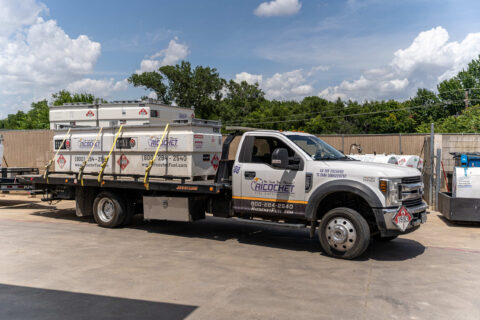
If you’re managing a commercial fleet, you know the problem. Fuel costs climb, you can’t track where it’s going, drivers fill up anywhere,…
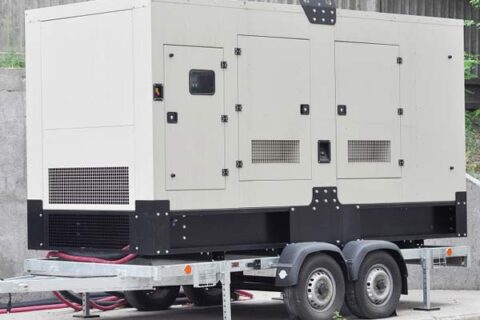
Emergency fueling systems aren’t some nice-to-have upgrade you budget for down the line. They’re the difference between a manageable crisis and a…