
Designing an On-Site Fuel System from Scratch
An on-site fuel system design is one of the most important things needed while designing aon-site fuel storagen efficient and compliant fueling setup. Even if you manage a construction site, industrial facility, transportation yard, or backup power infrastructure, a well-planned system protects your operations from downtime, fuel loss, and regulatory risk. From choosing the right tank to long-term maintenance, this article guides you on everything you need to know about building on-site fuel storage from the ground up.
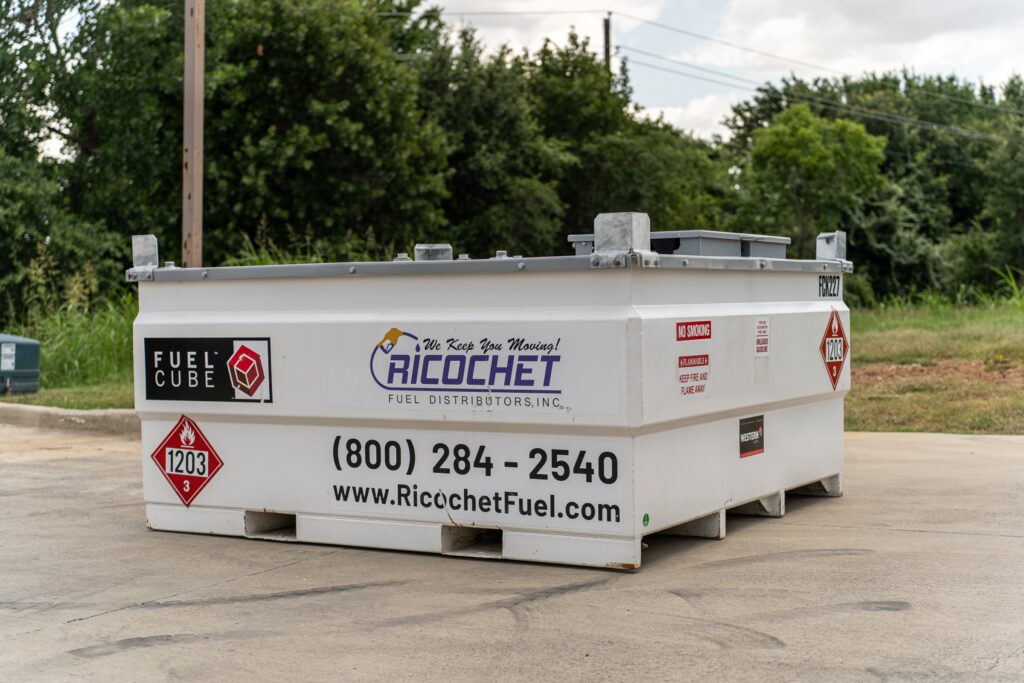
Understanding the Basics of Fuel Storage System Design
The core feature of fuel storage system design is to balance three priorities: capacity, safety, and accessibility. Before selecting equipment, facilities must understand fuel consumption rates, equipment needs, and site constraints. A temporary job-site fueling system for excavators will differ greatly from a permanent commercial facility supporting fleets or generators.
Early planning also determines whether tanks should be purchased, rented, or bundled with a fuel supply agreement. Many businesses benefit from scalable solutions that can move from site to site without major redesigns.
Step 1: Define On-Site Fuel System Requirements
The first and necessary step in every successful project is defining on-site fuel system requirements. These points include:
- Monitoring daily and monthly fuel usage.
- Get the knowledge of fuel type (diesel, gasoline, DEF, etc.).
- Understand the type of equipment served (vehicles, heavy machinery, generators).
- Understand the local fire and environmental regulations.
- Know the space availability and access routes.
Facilities with emergency power must also consider generator fuel system design and ensure storage to meet runtime requirements during outages.
Using a tank volume calculator at this stage helps prevent under- or over-sizing and reduces operational risk.
Step 2: Selecting the Right Fuel Tank
One of the most important things that is required for selecting the right tank is the foundation of any fuel storage design for commercial facilities. Options range from traditional bulk tanks to modern modular systems.
Key considerations involve the following:
- Single-wall vs. double-wall containment.
- Stationary vs. transportable tanks.
- Temporary vs. permanent installations.
Resources like Selecting a Fuel Tank and FuelCube vs Traditional Tanks help businesses compare configurations.
For short-term needs, tank rentals provide flexibility without large capital investment.
Step 3: Fuel Tank Installation and System Layout
It is important to know that Proper fuel tank installation is much more than just setting a tank in place. Site preparation must include these points:
- It should include stable foundations and load support.
- It should have clearances for refueling and inspections.
- It includes spill containment and drainage control
Good fuel system engineering also plans fuel flow paths, minimizing hose lengths, and ensures safe dispensing locations.
Facilities operating multiple tanks or dispensers benefit from centralized layouts.
Step 4: Designing Commercial Fuel Systems for Safety & Compliance
It is the known truth that safety is non-negotiable in commercial fuel systems, and modern designs help in environmental protection and employee safety.
Best safety practices include:
- Double-walled tanks or secondary containment.
- Lockable pumps and integrated security.
- Overfill protection and emergency shutoffs.
Internal resources like Safety Tips for Fuel Storage and Tank Inspections should be part of ongoing operations. Regular inspections catch small issues, like corrosion or seal wear, before they become costly failures.
Step 5: Fuel Quality, Maintenance, and Longevity
The basic thing that one should know before making a choice is that long-term reliability depends on fuel quality management. Moisture intrusion, temperature swings, and contamination degrade fuel over time.
Effective systems address:
- How to Keep Water Out of Storage Tanks.
- Fuel expansion and contraction due to temperature changes.
- Filtration at dispensing points.
Knowing the Signs Tank Cleaning Is Required, such as clogged filters or engine performance issues.
Best Practices for On-Site Fuel Systems
By following the best practices for on-site fuel systems, you can ensure efficiency and compliance over the system’s entire lifecycle. Some of the best practices for on-site fuel systems include:
- Having the right-sized storage to avoid stale fuel.
- Making the right schedule, routine inspections, and cleanings.
- Train staff on safe fueling procedures.
- Document all maintenance and testing.
Conclusion: Building a Smarter On-Site Fuel Storage System
You should know that designing on-site fuel storage is not just about holding fuel; it is more about protecting operations and the environment. A good on-site fuel system design integrates both smart tank selection and proactive maintenance.
By following some of the proven strategies and leveraging modern solutions, efficient fueling systems can scale with their needs.
Related Reading
- Selecting a Fuel Tank
- FuelCube vs Traditional Tanks
- Tank Rentals: When to Rent vs Buy
- Tank Inspections & Compliance
- Safety Tips for Fuel Storage
- How to Keep Water Out of Fuel Tanks
- Fuel Expansion & Contraction Explained
- Signs Your Tank Needs Cleaning
For expert guidance and flexible tank options, Ricochet Fuel provides on-site tanks and fueling solutions tailored to every job site and commercial facility.
FAQs: How to Design an On-Site Fuel System
1. How do I design an on-site fuel system from scratch?
You can design an on-site fuel system from scratch by designing fuel demand, understanding regulatory requirements, and planning installation and maintenance. The best you can do is to partner with experienced fuel providers to simplify this process.
2. Which type of tank is the best choice for commercial fuel storage?
Double-walled tanks or all-in-one systems like FuelCubes offer enhanced safety and security.
3. How much fuel storage does my facility need?
The amount of fuel storage your facility needs depends on consumption rates, delivery frequency, and backup power needs.
Modern engines are engineered with extreme precision. High-pressure fuel systems, electronic injectors, emission controls, everything depends on…
It is already quite difficult to manage a single fleet, but when your fleet operates in different states, the regulatory burden increases…