Emergency Fuel Management for Hurricane Season: A Complete Business Guide
Fuel is the thing nobody thinks about until it’s gone, and during hurricane season, it goes fast. Emergency fuel management is what separates a business that keeps its lights on from one that shuts down when the grid fails. Gas stations dry up within hours of a warning, roads flood or close, and generators sputter out because nobody topped off the tank in time.
Then come the real costs, including spoiled inventory, stalled production, and real safety risk. A business with a proactive fuel plan is playing a different game than one scrambling once the forecast turns ugly. Here’s what that plan looks like, how emergency fuel delivery works, and what keeps a business fueled no matter what blows in.
Why Emergency Fuel Management Matters for Hurricane Preparedness
Hurricane preparedness gets reduced to plywood and bottled water in most people’s minds, but for a business, or a hospital, a data center, a city government, it’s about one question: can we keep power and vehicles moving when everything else stops working? A solid hurricane fuel preparation strategy answers that before it’s asked.
The Real Cost of Running Out of Fuel Mid-Storm
Waiting too long on fuel hurricane planning, losses stack up fast, refrigerated inventory spoils, production lines go quiet, fleet vehicles sit useless. One bad day without power can wipe out more value than a season of preparedness spending.
Building an Emergency Fuel Management Plan
Plans that work share the same bones: honest forecasting, enough storage, and a supplier relationship you can trust when things get chaotic.
Step 1: Assess Your Fuel Needs Before the Season Starts
Start with math, not guesswork. Daily fuel burn for generators, fleet, and backup systems tells you how much emergency fuel supply you need on-site and how fast you’ll chew through it during an extended outage.
Step 2: Partner with a Reliable Emergency Fuel Delivery Provider
Most fuel suppliers stop delivering once a hurricane is active; roads close, drivers get pulled, orders backlog. You want a provider offering genuine emergency fuel delivery near me coverage, with tankers staged nearby and contracted customers moved to the front.
Step 3: Secure Bulk Fuel Storage and Delivery Agreements
If your fuel demands run high, don’t wait for storm season to figure out supply. Bulk fuel delivery services let you lock in volume ahead of time, putting you on a priority list instead of competing in a panic before landfall.
Step 4: Prioritize Generator Refueling Services
A backup generator with an empty tank isn’t backup anything. Recurring generator refueling services keep tanks topped off before, during, and after the storm, so refrigeration, HVAC, and IT systems don’t skip a beat.
Emergency Fuel Planning: What to Include in Your Storm Playbook
A one-time fuel order isn’t a plan; it’s a bandage. Real emergency fuel planning means having something written down that your team can follow under pressure.
- Create a Tiered Priority List of Critical Equipment: Rank generators, vehicles, and equipment by how much they matter to keeping the business alive, so the right systems get fueled first when supply gets tight.
- Establish Communication Protocols with Your Fuel Supplier: Figure out now how you’ll reach your supplier when cell towers are jammed or down. Better suppliers keep emergency lines open and check in with clients before landfall.
- Pre-Position Fuel Reserves Ahead of Landfall: Top off tanks and mobile reserves in the 48-to-72-hour window before landfall. Wait until evacuation orders go out, and trucks likely won’t reach you.
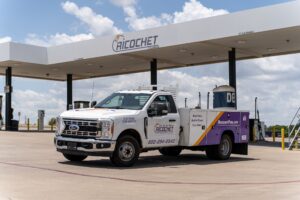
How Ricochet Fuel Supports Hurricane-Ready Businesses
A good fuel partner builds resilience into how your business operates, not just showing up with diesel. See how our emergency fuel services carry businesses through a storm, and check our fuel delivery solutions for year-round reliability.
Key Takeaways and Next Steps
Storms don’t wait for businesses to get organized, so your fuel strategy shouldn’t either. The core: accurate forecasting, a bulk fuel agreement locked in ahead of time, and generator refueling services you can count on. Businesses that come through hurricane season intact treated fuel planning as ongoing, not a last-minute scramble.
Don’t wait for the next warning to find out your fuel supply isn’t ready. Contact Ricochet Fuel today and get a fuel management plan built around your business, with priority access to bulk fuel delivery and generator refueling services locked in before hurricane season peaks.
Frequently Asked Questions: Emergency Fuel Management
1. How do I find emergency fuel delivery near me during hurricane season?
Look for regional suppliers who’ve handled hurricanes before, not just companies claiming 24/7 service online. Providers staged across the Gulf Coast and Southeast respond faster than national chains once a storm’s moving in.
2. What is the best way to prepare fuel supply before a hurricane hits?
Start hurricane fuel preparation at least a month out; audit your usage, top off tanks, and sign with a bulk fuel provider so you’re not competing last minute.
3. How much fuel should a business store for hurricane emergencies?
A good baseline is 5 to 7 days of supply for generators and essential vehicles. Hospitals and data centers usually keep more.
4. Can businesses get generator refueling services during an active storm?
Sometimes, it depends on road access and how stretched the supplier is. With a supply contract in place, you’ll get routed ahead of anyone calling in cold.
5. What’s the difference between emergency fuel delivery and standard fuel delivery?
Standard delivery runs on a set schedule with no contingency built in. Emergency fuel delivery is built for chaos; faster response and contracted customers are moved up automatically.
6. Do I need a contract for emergency fuel delivery, or can I order on demand?
You can order on demand, but it’s a gamble. A signed emergency fuel supply agreement gets you priority routes when demand spikes region-wide.
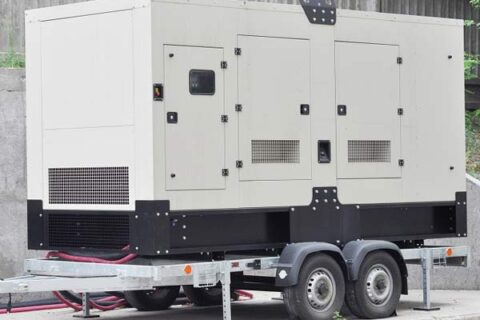
A hurricane or major storm can disrupt fuel deliveries, power, transportation, and even the normal day-to-day operations of a business. For companies…
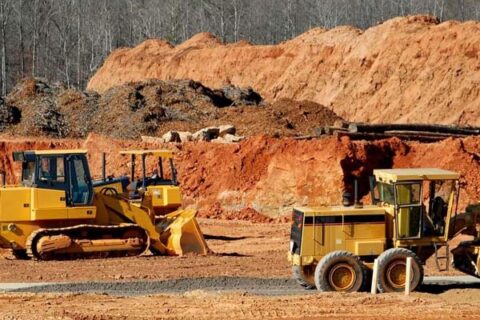
Construction work does not always stop because of a major equipment problem. Sometimes, it is something as simple as running out of fuel at the wrong…