Fleet Fuel Management: Improve Efficiency and Reduce Costs
If you’re managing a commercial fleet, you know the problem. Fuel costs climb, you can’t track where it’s going, drivers fill up anywhere, unauthorized purchases slip through, and inefficiency drains money monthly. Without visibility, you’re flying blind. Fleet fuel management changes that. You get real-time insights into consumption patterns; you spot theft and catch inefficient driving before it kills your budget. When you implement solid fleet fuel management solutions, costs drop, and efficiency climbs.
What is Fleet Fuel Management?
Fleet fuel management is keeping tabs on fuel consumption across your vehicles. Tracking purchases, monitoring patterns, watching spending – simple and powerful. A fleet fuel management system combines fuel cards, telematics, GPS tracking, and automated reporting. Real numbers show what’s actually happening in your fleet. You see where fuel goes, and you understand the costs.
Whether you run five vehicles or five hundred, the result is the same. Less waste, no unauthorized purchases, and efficient operations. Companies using fleet fuel tracking systems see 10 to 15 percent cost reductions in year one. That’s what visibility does.
How Fleet Fuel Management Improves Efficiency
1. Track Fuel Consumption
Manual tracking doesn’t work. You miss data, and logs get filled in wrong. Real-time fuel monitoring systems for fleets solve that. Every fill-up gets captured. You see exactly how much fuel each vehicle burns. Trends become obvious – one truck drinks fuel while another runs clean. Drivers also change behavior when being watched. They avoid letting engines idle. They ease off the accelerator. That awareness cuts waste.
2. Reduce Fuel Theft and Unauthorized Purchases
Fuel theft is common. Siphoning for personal use, pumping into non-company vehicles. Unexplained purchases add up fast, and most managers don’t catch it in time. A fleet fuel management system tightens controls. Fuel cards are tied to vehicles. Drivers verify identity. Every transaction is logged. Unusual activity triggers alerts. Cross-reference purchases against actual usage. If numbers don’t match, something’s off. Critical if you run multiple locations.
3. Identify Inefficient Driving
Not all drivers are equal. Some accelerate smoothly, others stomp the gas and brake hard. One leaves the engine running while parked. Differences show immediately when you combine GPS with fuel data. Once spotted, you can act. Have a conversation, provide coaching, and adjust routes. Driver training based on fuel data boosts efficiency by 5 to 8 percent. It’s pointing out what numbers reveal and giving people reason to change.
4. Optimize Routes
Routes that waste fuel – traffic, backtracking. Fleet fuel management solutions using GPS spot killers and fix them. Find shortest routes, skip congestion, and combine trips. Critical for multiple deliveries daily. Cut routes by ten percent and fuel use drops noticeably. The math works when consumption meets actual miles.
How Fleet Fuel Management Reduces Costs
1. Control Fuel Spending
You can’t budget what you don’t understand. Fleet fuel management platforms give breakdowns by vehicle, driver, and location. You know spending month to month. Spikes surface immediately. Visibility helps negotiations with vendors. You have data, you know consumption, and you can argue for bulk fuel for fleets at better rates.
2. Reduce Vehicle Maintenance Costs
Driving habits affect vehicle lifespan with aggressive acceleration and constant idling. When fleet fuel management systems track behavior and you improve it, engines stay healthier. Better tracking means better maintenance schedules. Problems get caught early, small issues don’t become expensive repairs, and vehicles last longer.
3. Make Better Fleet Decisions
A fleet fuel tracking system shows what’s happening. Consumption patterns become clear, real decisions about vehicles, drivers, and maintenance follow. Replace that thirsty truck? Data answers. Which drivers need coaching? Numbers don’t lie. Redesign certain routes? You’ll see it. This backs capital spending plans. When CFO asks why new vehicles are needed, you have numbers, not hunches.
Key Features to Look for in a Fleet Fuel Management System
Choosing a fleet fuel management company? Look for essentials:
- Real-time tracking
- Useful reporting
- Driver scorecards
- Route optimization
- Fuel card management
The system needs alerts when something’s wrong – spending limits; if running diesel trucks, diesel fuel management services matter. On-site fuel delivery for fleets integrates seamlessly instead of creating separate workflows. Solid customer support matters. They need to scale with you. A vendor handling only small fleets isn’t useful if expanding.
In a Nutshell
What does this mean for your bottom line? Lower costs, better efficiency, and control over operations. Whether trimming 10 percent or getting visibility for the first time, the right fuel management services work. Getting started is the hardest part. Look at your biggest problem. Theft? Inefficient drivers? Wasteful routes? Most start with basic tracking and move to route optimization later.
Ready to fix fuel costs? Ricochet Fuel has solutions. On-site fuel delivery for fleets. Fleet fuel monitoring that works. Fleet fuel management systems for real operations. Let’s talk.
Frequently Asked Questions
1. What kind of savings are realistic?
Ten to fifteen percent within twelve months. Needs monitoring plus driver coaching. Money doesn’t save itself.
2. Does a fleet fuel management system actually stop fuel theft?
Yes. Fuel cards are tied to vehicles. Drivers prove identity, transactions are recorded, and siphoning or odd purchases show immediately. The system creates accountability that doesn’t exist otherwise.
3. Does this help with compliance?
Absolutely. Detailed reports document fuel expenses, mileage, and maintenance. Regulators get what they need. Simpler.
4. How does bulk fuel for fleets fit with the system?
Two things working together. The system tracks and monitors. Bulk fuel for fleets means buying large quantities at better prices. Combined, you get smart purchasing plus usage visibility. That’s where savings happen.
5. Special equipment needed?
Depends. Fuel cards and software work, or GPS tracking and sensors. Talk to your provider about what fits your fleet size. Solutions exist at every budget level.
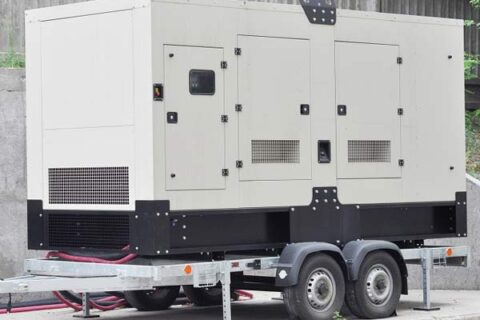
A hurricane or major storm can disrupt fuel deliveries, power, transportation, and even the normal day-to-day operations of a business. For companies…
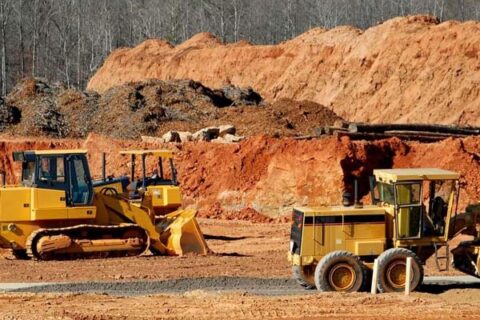
Construction work does not always stop because of a major equipment problem. Sometimes, it is something as simple as running out of fuel at the wrong…