How Fuel Procurement Costs Impact Long-Term Operating Costs
Give fuel procurement a few months, or a year, and you start to notice the pattern. Costs go up, budgets get harder to predict, and operations feel less efficient than they should. The issue is not just the price of fuel itself. It is how that fuel is purchased, managed, and used over time.
Without a clear fuel procurement strategy, most businesses end up reacting to market changes instead of staying ahead of them. And that reactive approach? It gets expensive.
What is Fuel Procurement
At its core, fuel procurement is simply how a business sources and manages fuel. But in practice, it touches everything – logistics, labor, scheduling, even equipment performance.
A few small habits can quietly drive up costs:
- Sending drivers out multiple times a week to refuel
- Relying on retail pricing that changes daily
- Not tracking fuel usage closely
- Letting machines idle longer than necessary
None of these feel dramatic in isolation. But over time, they stack up. That is where the fuel procurement process starts to matter more than most teams expect.
Why Strategy Matters More Than Price
A lot of companies focus on getting the lowest price per gallon. That makes sense, but it is only part of the story. A good fuel procurement strategy is more about control than chasing deals. Consistency tends to save more money than occasional discounts.
For example, switching to bulk fuel delivery changes how businesses deal with fuel entirely. Instead of reacting to price swings, they lock in more stable rates. It also reduces the constant back-and-forth of sending vehicles off-site.
Bulk Fuel vs Retail Fuel Pricing: The Real Difference
When people compare bulk fuel vs retail fuel pricing, they often focus only on cost per gallon. That is part of it, sure. But the bigger difference shows up in operations. Retail fueling feels convenient. Pull in, fill up, get back on the road. But it comes with hidden trade-offs, such as lost time, route disruptions, and unpredictable pricing.
Bulk fuel works differently. It shifts the process entirely:
- Fuel is purchased in volume, usually at a lower rate
- Delivery is scheduled, not improvised
- Teams stay on-site instead of detouring to stations
There is on-site fueling. Vehicles get fueled where they are parked. It is one of those changes that seems small until you see how much time it saves across a full fleet.
Making the Fuel Procurement Process Less Frictional
The fuel procurement process does not have to be complicated, but it does need intention behind it. Many businesses operate without a clear system, and that is where inefficiencies take place. It usually starts with a simple question: how much fuel are you actually using? Once you have that answer, things fall into place more easily.
From there, a few practical steps help:
- Partner with a supplier that understands your industry
- Set predictable delivery schedules
- Use data instead of estimates
- Adjust as your operations grow
Providers like Ricochet Fuel offer fleet fueling solutions that take a lot of this off your plate, especially for businesses managing multiple vehicles or job sites.
Fuel Cost Management Is a Bigger Picture
If fuel usage is not being tracked, there is no real way to optimize it. And without optimization, costs tend to drift upward. Some businesses start seeing results just by paying closer attention:
- Tracking consumption trends week over week
- Cutting down idle time
- Planning routes more carefully
- Aligning procurement with actual demand
Even small adjustments can lead to noticeable savings. For more grounded ideas, resources like fuel management tips can be useful without being overly technical.
Why Bulk Fuel Delivery Often Becomes the Turning Point
There is a reason bulk fuel delivery keeps coming up in these conversations; it changes how everything flows day to day. Instead of constantly managing refueling logistics, businesses can step back a bit.
Over time, the benefits become pretty clear:
- Lower fuel procurement costs through volume pricing
- Fewer operational interruptions
- Reduced labor tied to refueling
- More control over storage and usage
The Link Between Fuel Procurement and Growth
When fuel procurement is handled well, it creates breathing room. Costs become more predictable, planning gets easier, and decisions feel less risky. That matters when you are trying to grow.
Whether it is expanding a fleet or taking on bigger projects, having stable fuel expenses makes a difference. On the other hand, poor fuel procurement habits tend to do the opposite, introducing uncertainty where you do not want it.
In a Nutshell
Fuel is always going to be a major operating expense. That part does not change. What can change is how you manage it. Businesses that rethink their fuel procurement approach tend to see steady improvements over time.
If your current setup feels unpredictable or inefficient, it is probably worth exploring alternatives. Solutions from providers like Ricochet Fuel offer a more controlled way to handle fuel procurement, which ultimately leads to better fuel cost management and smoother day-to-day operations.
FAQs: Fuel Procurement Costs in the USA
1. What exactly falls under fuel procurement costs?
It includes everything tied to fuel, such as purchase price, delivery, storage, and inefficiencies in usage. It is broader than just what you pay at the pump.
2. How can businesses improve fuel cost management quickly?
Start with visibility. Track usage, reduce unnecessary trips, and consider bulk fuel delivery to stabilize pricing.
3. Is bulk fuel always more affordable than retail in the USA?
Most of the time, yes. Bulk fuel vs retail fuel pricing generally favors bulk when you factor in labor and time savings.
4. Who benefits most from a structured fuel procurement strategy?
Industries like construction, logistics, agriculture, and transportation- basically any operation with consistent fuel demand.
5. What makes a fuel procurement process efficient?
Clarity around usage, reliable suppliers, scheduled deliveries, and ongoing monitoring all play a role.
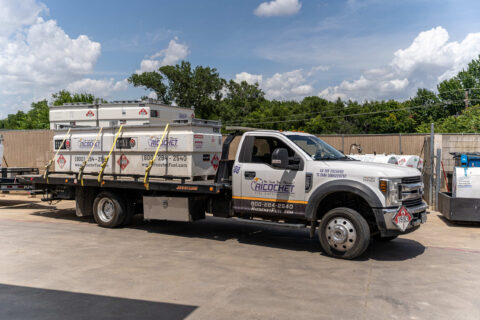
If you’re managing a commercial fleet, you know the problem. Fuel costs climb, you can’t track where it’s going, drivers fill up anywhere,…
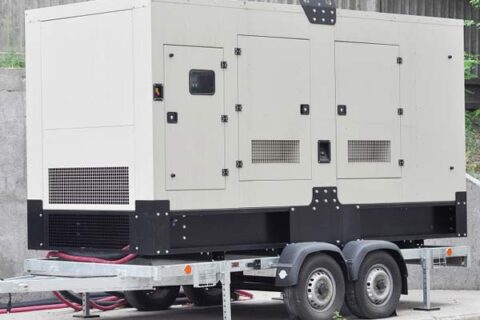
Emergency fueling systems aren’t some nice-to-have upgrade you budget for down the line. They’re the difference between a manageable crisis and a…