
Agricultural Fuel Planning Beyond Crop Drying
Fuel on a farm isn’t just for harvest week. When you think about agricultural fuel planning, picture a year-round habit: topping tanks, scheduling deliveries, rotating emergency reserves, and keeping equipment ready for whatever the season throws at you. Do it poorly, and you end up paying for last-minute diesel, stranded equipment, or clogged filters. Do it well, and you smooth cash flow and avoid downtime.
Why Take Fuel Planning Seriously
Planned or panic? Pick planned. Engines fail, storms hit, and irrigation windows don’t wait. A clear approach to fuel, tied into your broader agricultural planning and farm business plan, keeps tractors running and generators ready. It also means fewer surprise invoices and fewer rushed trips to buy expensive emergency fuel.
What Good Agricultural Fuel Planning Looks Like
You don’t need to overcomplicate things. Start with basics and add systems as you grow.
- Know your monthly burn rates for diesel, gasoline, and propane. Break it down by operation: planting, harvest, irrigation, backup power.
- Inspect on site fuel storage: age of tanks, signs of water, and whether secondary containment is in place.
- Set delivery windows instead of waiting until tanks are near empty; use bulk fuel delivery to match seasonal peaks.
- Keep a dedicated emergency fuel reserve, rotated into regular use so it doesn’t go stale.
A few habits make a big difference. Keep tanks fuller to limit air space and oxidation. Remove water promptly. Test fuel quality before it goes into critical equipment. Those small steps protect uptime.
Agricultural Fuel Planning: Fuel Types, Risks, and Fixes
Different fuels behave differently. Diesel is less volatile than gasoline but attracts water and microbes. Propane behaves differently again and often needs a reliable propane supplier with farm experience.
If diesel shows microbial contamination, filter and polish it or treat with biocides. If gasoline sits too long, stabilizers help, but some older or phase-separated fuel is better removed and replaced. When dealing with bulk volumes, don’t guess; use tested procedures and certified disposal when needed.
Agricultural Business Planning: Where Technology Helps
A good farm fuel management system changes speculation into data. It records who dispensed fuel, how much, and when. For multi-site operations or large equipment fleets, that kind of accountability pays for itself quickly.
Remote tank monitoring is especially valuable on farms. Instead of driving out to check levels, you get alerts when tanks drop below thresholds. Less wasted time. Fewer surprise outages.
How Agricultural Planning Ties Into Operations
Think about your generators, irrigation pumps, and remote well sites. They’re all dependent on reliable fuel. If you lose power during a critical irrigation window, the crop loses more than a few hours.
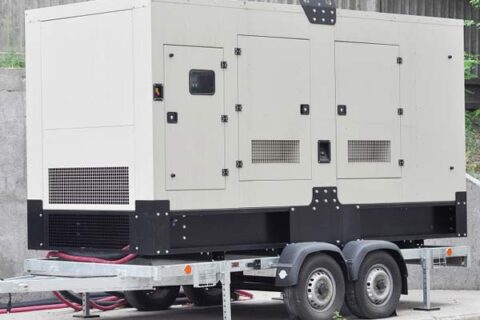
If an agricultural fuel supply generator sits with old fuel, it might not start when you need it most. Include fuel planning as an operational line item in the farm business plan so it’s budgeted and tracked.
Practical Supplier Features to Look For
Not all vendors are equal. For farm work, find partners who offer:
- Bulk fuel delivery on a schedule that matches your seasons.
- On-site fueling options to reduce downtime during busy periods.
- A transparent farm fuel management system that integrates billing and usage.
- Remote tank monitoring and responsive delivery when you need it.
- Experience as a propane supplier that understands agricultural cycling and safety.
When to Call in Professionals
If managing deliveries, testing, and tank upkeep takes too much of your time, hand it off. A supplier who manages inventory and schedules can remove guesswork and prevent emergency buying. They’ll also help maintain compliance — no one wants fines or a spill.
A Quick Operational Checklist
- Map every fuel point and capacity on the farm.
- Mark equipment that requires guaranteed fuel access.
- Schedule deliveries ahead of peak periods.
- Install remote monitoring where access is costly.
- Keep emergency fuel rotated into normal use.
Cost and Cash-Flow Thinking
Smart planning smooths spending. Rather than buying at the peak of volatility, schedule regular buys and keep a small strategic reserve. It’s part of sensible agricultural business planning: predictable costs, fewer surprises.
Common Problems and Solutions
Water in tanks, old fuel, and microbes are the usual culprits. Practical responses work:
- Use fuel polishing and filtration to restore quality where possible.
- Treat with biocides when microbial growth is detected.
- Schedule tank cleanouts and test fuel before it feeds critical systems.
- If fuel is beyond recovery, remove it with licensed haulers.
Next Steps You Can Take
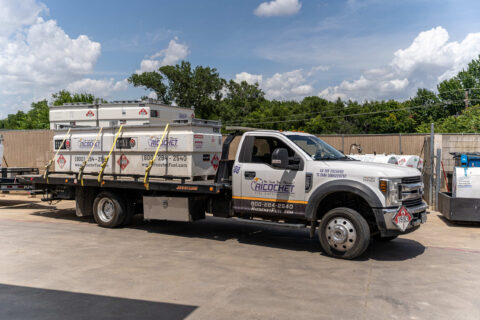
Start with a simple usage audit and a tank inspection. From there, map delivery timing to your planting and harvest cycles. If you’d rather not manage it, Ricochet Fuel provides bulk fuel delivery, on-site fueling, remote tank monitoring, and tailored plans for farms. They’ll help align fuel supply with your operational calendar so you avoid costly surprises.
FAQs (Frequently Asked Questions)
1. What is agricultural fuel planning?
It’s the ongoing process of forecasting, storing, and supplying fuel so farm operations run smoothly.
2. Can bulk fuel delivery work for small farms?
Yes, if your usage justifies it. Bulk delivery reduces handling and often lowers per-gallon costs.
3. Is remote tank monitoring worth it?
For remote or critical tanks, absolutely — it prevents surprise trips and outages.
4. How do I include fuel planning in a farm business plan?
Add fuel demand estimates, delivery schedules, emergency reserves, and vendor contracts to your cash-flow and operations sections.
5. Do I need a specialized propane supplier?
If you use propane for heating, drying, or process loads, a supplier experienced with farms is highly recommended.
If you’re managing a commercial fleet, you know the problem. Fuel costs climb, you can’t track where it’s going, drivers fill up anywhere,…
Emergency fueling systems aren’t some nice-to-have upgrade you budget for down the line. They’re the difference between a manageable crisis and a…