
Hospital Emergency Fuel Planning: How to Prevent Generator Fuel Shortages?
A hospital cannot treat a generator fuel shortage like just another supply problem. During a power outage, backup generators may be supporting critical hospital operations, which means running low on fuel can create another serious challenge when staff are already dealing with an emergency.
Emergency generator fuel delivery gives hospitals a way to prepare for that situation before fuel levels become critical. Plus, a practical fuel plan can bring together on-site storage, regular monitoring, scheduled refills, and emergency delivery support.
Why Do Hospitals Need a Reliable Emergency Fuel Supply?
Hospitals rely on backup generators or generator refueling when utility power is interrupted. However, having a generator available is only part of the preparation. It also needs enough fuel to keep running for as long as the facility requires backup power.
That’s why hospital teams should think about questions such as:
- How much fuel does each generator normally use?
- How long can the current supply last?
- Who is responsible for checking fuel levels?
- When should another delivery be requested?
- How will fuel reach the hospital during severe weather?
These questions are much easier to answer before an emergency happens. Meanwhile, waiting until a tank is nearly empty can leave the facility with fewer options, especially when other businesses and critical facilities might also be requesting fuel.
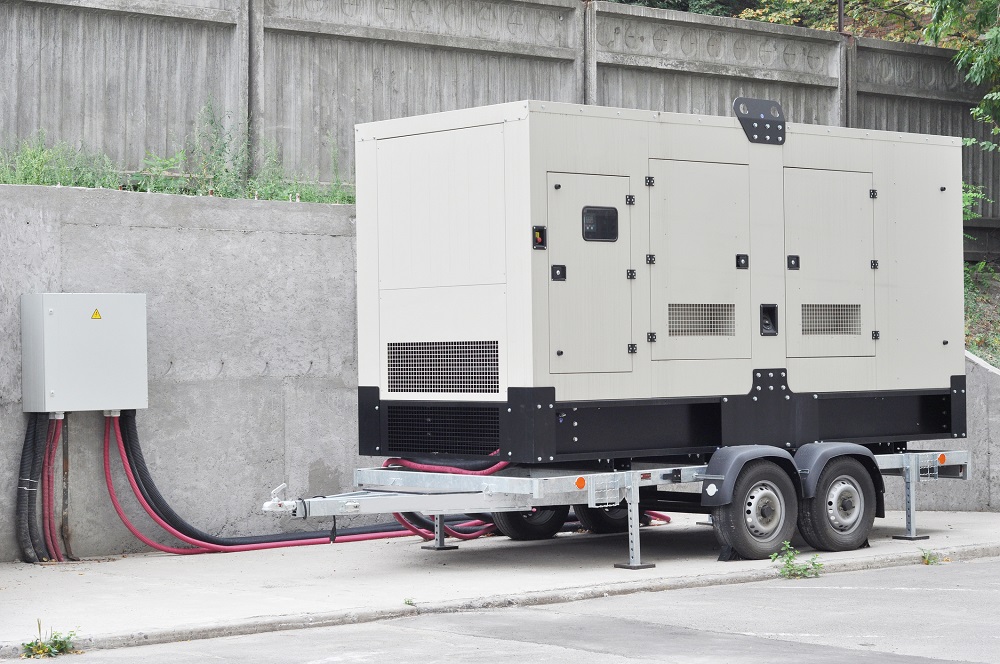
Build a Hospital Generator Fuel Plan Before an Emergency
An efficient hospital generator fuel plan must be based on the facility’s actual equipment, fuel usage, and operating requirements.
Moreover, there is no single amount of emergency generator fuel that works for every hospital. Generator capacity, fuel type, tank size, operating conditions, and expected outage duration can all change the amount a facility needs.
Hence, hospitals should consider keeping an updated record of:
- Generator locations
- Tank capacities
- Current fuel levels
- Fuel types
- Estimated consumption rates
- Delivery access points
Having these details ready can make generator fuel delivery much easier to arrange when time is limited.
Use Monitoring to Identify Fuel Shortages Early
Fuel monitoring can give facility teams a clearer idea of what is actually happening inside their tanks. Furthermore, instead of solely relying on manual checks, electronic tank monitoring can help teams keep track of fuel levels and recognize when another delivery may be needed.
This can be particularly useful when a hospital has several generators or operates across a larger campus. In addition, a properly monitored backup fuel supply can help hospital teams:
- Check fuel levels remotely
- Notice declining fuel inventory earlier
- Arrange deliveries before supplies become critical
- Reduce dependence on manual tank checks
- Coordinate refills during longer outages
- Keep better track of multiple generators
Prepare Emergency Fuel for Hospitals Before Severe Weather
Hurricanes, winter storms, flooding, tornadoes, and wildfires can make normal fuel delivery more difficult. Roads may become inaccessible, transportation can be delayed, and demand for fuel may increase across an affected area.
So, hospitals should consider their emergency fuel requirements before severe weather arrives rather than trying to work everything out after an outage has already started. Plus, before a major weather event, facility teams can consider reviewing:
- Current generator fuel levels
- Expected fuel consumption
- Available storage capacity
- Delivery access to the hospital
- Fuel provider contact information
- Emergency delivery procedures
- Backup storage options
- Communication procedures between the hospital and fuel supplier.
Plan Hospital Fuel Delivery for Extended Power Outages
A short power outage and a multi-day outage can create very different fuel requirements. Plus, if generators are operating continuously, fuel consumption can rise quickly.
Therefore, hospitals should not rely only on the fuel already stored on-site. They also need a clear plan for resupply. For instance, a hospital can work with its fuel provider to establish:
- Planned refill thresholds
- Emergency delivery contacts
- Delivery scheduling procedures
- Additional tank options
- Mobile fuel storage options
- Monitoring and alert procedures
- Post-emergency refueling plans
Furthermore, Ricochet Fuel Distributors – a well-known fuel supplier in the USA – has designed an Emergency Umbrella Program that provides priority consideration for fueling and support during qualifying emergency events.
Moreover, it can also include staged FuelCubes when real-time delivery may be delayed or unavailable.
Maintain Your Backup Fuel Supply Between Emergencies
Emergency preparation does not end once a generator has been filled. Stored fuel still needs regular attention, especially when it may remain unused for long periods.
Hospitals can include fuel checks as part of their normal generator maintenance and emergency preparedness routines. Here’s what a practical routine may include:
- Checking fuel levels
- Reviewing tank monitoring alerts
- Tracking fuel deliveries
- Inspecting storage equipment
- Monitoring fuel condition
- Testing generators according to facility procedures
- Updating emergency contacts
- Reviewing delivery access
This creates a continuous backup generator fuel supply strategy instead of a plan that only becomes active when a storm is approaching.
Final Thoughts
Emergency generator fuel delivery works best when it is part of a long-term hospital fuel strategy. On-site storage, fuel monitoring, scheduled refills, emergency delivery arrangements, and regular generator maintenance can all work together to reduce the risk of a fuel shortage during a power outage.
Plus, good planning gives facility teams something practical to follow when an emergency lasts longer than expected. Thus, instead of figuring out fuel requirements, contacts, and delivery procedures at the last minute, those details can already be in place.
Is your facility also reviewing its current fuel supply process? Then, contact Ricochet Fuel Distributors to discuss your generator capacity, storage requirements, monitoring needs, and emergency delivery options now!
FAQs
1. How Much Emergency Generator Fuel Should a Hospital Keep On-Site?
The right amount primarily depends on generator consumption, tank capacity, operating conditions, expected outage duration, and the hospital’s emergency preparedness requirements.
2. How Does Emergency Fuel Delivery Work During a Power Outage?
A commercial fuel provider coordinates delivery to the hospital’s generator tanks or approved emergency storage while considering site access, safety, fuel availability, and current emergency conditions.
3. Can Hospitals Get Emergency Generator Fuel Delivery 24/7?
Yes, but real-time delivery can still depend on factors such as safety, road access, fuel availability, and the conditions surrounding the emergency.
4. What is a Backup Generator Fuel Supply Plan?
It is a documented process covering fuel storage, monitoring, consumption, refill thresholds, emergency contacts, and resupply procedures during extended outages.
5. Can Emergency Fuel be Delivered During a Hurricane?
Emergency delivery might be possible depending on road access, safety conditions, fuel availability, and the circumstances of the event.
6. Why is Hospital Generator Fuel Delivery Planning Important?
A pre-planned hospital fuel delivery plan helps facility teams understand their fuel requirements and establish resupply procedures before an outage turns into an urgent fuel shortage.
Large auto dealerships have a lot more vehicles to keep fueled than the ones sitting on the sales lot. New inventory, loaner cars, shuttle vehicles,…
If you’re managing a commercial fleet, you know the problem. Fuel costs climb, you can’t track where it’s going, drivers fill up anywhere,…